









The RIBA president’s decision to abandon his architect title in a statement against the ‘absurdity’ of the registration system has heightened debate around what the term really means, and how regulatory oversight of the profession can be reformed to improve public safety. How many registered architects will follow his lead is far from certain, Tom Lowe reports
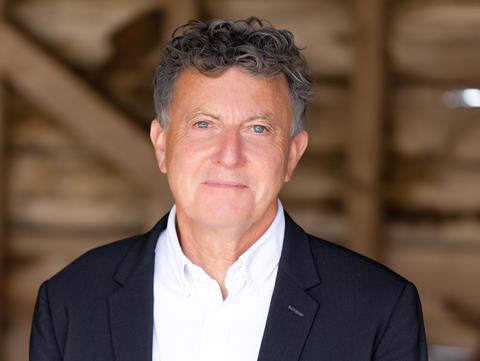
It seems like everyone working in architecture has had some kind of debate over the last few days about Chris Williamson’s decision not to renew his ARB registration. The RIBA president’s surprise move, announced with a flourish at the institute’s quarterly council meeting last Thursday evening, has cut through years of simmering unease within the profession about the registration model which has been in place since 1997.
Many have been impressed by the boldness of the co-founder of WW+P and industry veteran who, in just two weeks’ time, will no longer be able to call himself an architect. But while it is clear the action has been highly successful in getting people talking, whether it will translate to any meaningful change over the next few months is far less certain.

The decision goes to the heart of architectural regulation and the confusion over what the title of architect really means in a profession which allows anyone to do the functions of an architect, registered or not. Williamson argues that regulating the title alone does “far too little to protect the public we serve”, adding that he feels it is “essential to draw attention to the absurdity of the current regulatory framework”.
>> Also read: Why I have decided I will no longer be called an architect
>> Also read: Is the title of architect still fit for purpose?
His announcement also feeds into the RIBA’s campaign to abolish the Architects Act, which established ARB in 1997, and bring in new legislation which defines who can carry out reserved activities, including submitting planning applications and signing off building control applications. Details about this latter impetus are yet to be fully fleshed out, but the move has focused minds on shortcomings in the current model, which many see as unsustainable at a time of wider regulatory change in the built environment.
Williamson said he made the decision less than two weeks ago, influenced by his experience presenting RIBA’s President’s Bronze and Silver medals to part 1 and 2 students. “Meeting all those talented and energetic students and their proud parents afterwards was wonderful,” Williamson told BD.
“Explaining why they should join RIBA was easy, and I was able to draw on my own experience of over 40 years. But explaining about ARB and the £225 a year was more difficult.”
Williamson believes there is a need to provide clarity to young architects at the beginning of their careers, highlighting how after seven years of training, they still need to shell out a hefty annual subscription just to use the official title. “If they want to call themselves an architect after all the expense and effort, they don’t have a choice. At this stage in my career, I do,” Williamson said.

His decision seems to have come as a surprise to all but the most senior leaders at the RIBA when it was announced towards the end of the council meeting. One insider told BD that the reaction was “shock”, but almost immediate support from those in attendance.
So will there now be a flood of architects leaving the register in solidarity with Williamson? It is possible, but seems unlikely, for two reasons.
Firstly, Williamson’s intervention has come quite late in the year. The ARB starts sending out its annual emails at the end of October to remind architects to renew their registration. By this point, in mid-December, many will have already renewed.
Those who have not may not be in the mood to start making potentially problematic decisions about their career in the busy pre-Christmas period.
And, while renewing registration has become a much more individual choice for architects since the Building Safety Act, having previously been an almost auto-renewal process organised by their employer, it is still something which architects are likely to want to discuss with their superiors first. At a time of year when many people are looking forward to a break from work, setting up a meeting with senior leaders to discuss their stance in relation to the ARB may not necessarily be front of mind.
Secondly, while the reaction to Williamson’s stand from architects on social media has been overwhelmingly positive, dig a bit deeper and the sentiment towards registration is more nuanced and more muted. Many architects told BD that they support Williamson in principle and are thankful that he has highlighted shortcomings in the ARB’s registration model, but fall short of saying they plan to follow suit.
If a client didn’t come to me because I wasn’t called an architect, the 225 quid would be badly saved
“I agree with Chris on the issue. I don’t personally feel like I would take the step to de-register myself,” says Barr Gazetas director Tom Lacey. He renewed his registration last week but says he still would have even if Williamson had made his announcement in October, partly because of the vetting process staff need to go through to work with some clients. No longer being able to tick the box marked architect on these vetting forms would “cause all sorts of issues”, Lacey admits.
Robert Adam, founder of Adam Architects and now running his own one-man practice, is straightforward with his response to Williamson: “I’m not going to get rid of my architect title. I don’t see any point.”
While Adam is far from alone in admitting that the mandatory CPD which comes with ARB registration is “generally a pain in the arse”, he does not see it, and the annual fee, as a burden worth giving up. “If a client didn’t come to me because I wasn’t called an architect, the 225 quid would be badly saved.
“In simple terms, if I don’t carry the title ‘architect’, it is possible that somebody won’t come to me for that reason. If one person doesn’t come to me for that reason, I haven’t saved 250 quid, I’ve lost money.”
Others felt more emboldened by Williamson’s announcement. Ellie Jolliffe, practising architect and co-author of Architect: The evolving story of a profession, said she is “completely in favour” and would have been likely to join the RIBA president if she had not already renewed.
“If I had known he was doing it, there’s strength in numbers,” Jolliffe says, adding that the stand taken by such an influential member of the profession “has given the impetus to get behind something”.

HTA Design chair Ben Derbyshire applauded Williamson’s “brave move”, which he believes is an attempt to “lance the boil” of the confusing overlap between the RIBA and ARB on architectural competence. But, while he sees many in the profession who are “willing to follow him into battle,” Derbyshire questions whether anyone other than architects will notice the significance of a gesture that “many will inevitably view as oddly quixotic”.
Examples of highly successful unregistered non-architects such as Thomas Heatherwick and Ben Pentrieth undermine the necessity of achieving the title
Much of the debate circles around the perceived value of the ‘architect’ title outside of the profession. While some, like Adam, believe the fee and the accompanying CPD is a price worth paying if it secures work from clients who do know the difference between an architect and someone who is architect-adjacent, unregistered but otherwise unrestricted in the professional functions they are able to perform, others see it as a status-focused relic.
Meanwhile, examples of highly successful unregistered non-architects such as Thomas Heatherwick and Ben Pentrieth undermine the necessity of achieving the title.
“It’s purely a status thing at this point. I genuinely don’t think it makes any difference,” says Jolliffe. “The reason why lots of people stick with it is purely because, especially small practices, I think they’re sort of still trading on a little bit of status.”
Ackroyd Lowrie co-founder Oliver Lowrie said Williamson is “a bold leader and this is a courageous move”, but highlighted the need to address architects’ “inability to articulate to the market or the public what our value is”.
The issue feeds into the wider regulatory changes which have come in since the Grenfell disaster through the Building Safety Act, which have mostly failed to have an impact on who can and can’t call themselves an architect. While there has been an increase in oversight of the profession and legal liability, the protection of function for architects has remained noticeably untightened.
“There’s a broadening divide there,” Lacey says. “It feels like it’s becoming, on one hand, more regulated from a personal and professional point of view, but the ARB registration side has not been keeping up.”
The result of this is that it risks providing incentives to people not to register as architects to avoid too much personal liability under the Building Safety Act. The ARB’s role, Lacey believes, is to protect both the title and the function of an architect in the interests of public safety.
“I think they do probably need a kick up the backside in terms of educating the general public, and making sure that you know whatever good stuff is coming out of Grenfell is not being squandered by people circumventing it by calling themselves something else that’s got something vaguely architect-y in the title.”
The impact of Williamson’s announcement on the ARB’s registration figures will become clearer next month. But, even if there is no mass exodus from the register, his intervention has added urgency to a debate which feels far from resolved.







6 Readers' comments