
From easier installation and lighter structural loads to long-term durability and sustainability, fibre cement slates offer specifiers a versatile roofing solution designed to meet the demands of modern residential projects
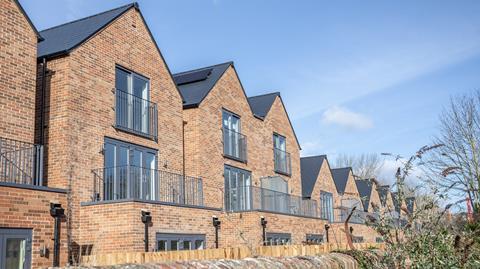
Over the past few decades, the popularity of fibre cement slates has grown as architects, contractors and homeowners have come to appreciate the aesthetic look, ease of installation and sustainable credentials of this material. A large proportion of new build developers now specify this material for residential projects and it is also increasingly prevalent in the domestic retrofit/replacement market.
Initially, the material was used in panels as a facade on buildings, due to its low cost, low weight, excellent fire performance and water tightness. During the post-war era, its use grew significantly, with technical developments enabling the manufacture of roof slates, which were thinner and thus lighter than the panels.
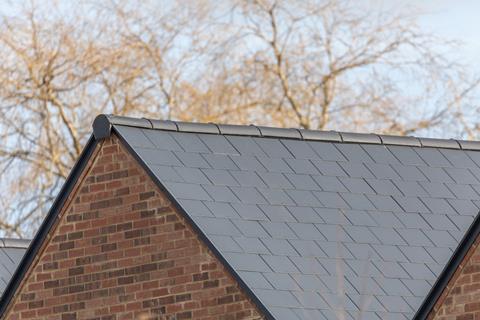
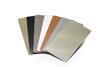
Fibre cement slates perform well on key criteria including fire safety, protection against extreme weather, energy efficiency, sustainability, maintenance and lifespan. Roofers also want a material that is easy to install. While Cedral’s fibre cement slates are all pre-holed, most natural slate alternatives are not. Fibre cement slates are consistent in terms of quality and size, so are much more efficient from the outset. Fibre cement slates come in square or dressed edges, smooth or textured finishes and are available in a variety of colours such as Terracotta or Stone Green in addition to Blue-Black which mirrors the traditional slate grey colour. The manufacturers like Cedral also provide an expanding range of fittings and accessories.
Fibre cement slates are also a strong option for future proofing residential roofs against extreme weather. Increasing temperatures can cause blistering or cracking on roof tiles and slates. Fibre cement is highly resistant to intense temperature fluctuation with a minimum life expectancy of 50 years. With heavier rainfall becoming more normal in many places, the relative weight of the roofing can also be a key consideration.
Fibre cement slates are consistently lighter yet just as strong as clay, concrete and natural slate products. With the layered production and fibre matrix supporting the cement, fibre cement is thinner than concrete, but has the same performance benefits. They don’t require a heavy load bearing roof construction, so less timber is required for the structure.
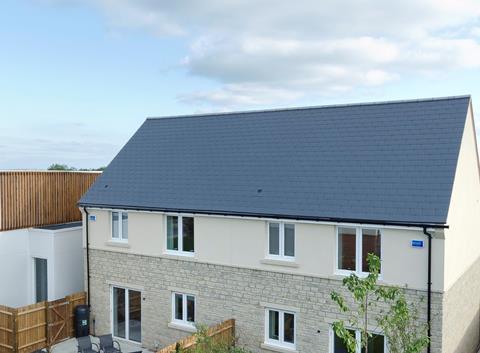
Fibre cement roofing tiles work well as an option for decisions about eco-friendly building processes and materials. Fibre cement which is made of cement, water, cellulose, textile fibres and air can help improve circularity and carbonation impact. Cedral already supports refurbishment with robust, long-lasting material that is re-usable and with a production process that avoids causes of waste and uses local sourcing and transportation.
The company has set ambitious targets which include zero waste and for the products to be fully recycled. The fibre cement roof slates have a carbon footprint of just 16 CO 2 e/m 2.
We anticipate that advances in sustainable construction will continue at a rapid pace, transforming home design.
Cedral’s UK technical team supports specifiers through the process. Visit Cedral’s website for design inspiration, technical documents and certificates.
Postscript