







Aldington’s residential work in Haddenham praised as ’humane, modest, uplifting architecture at its best’
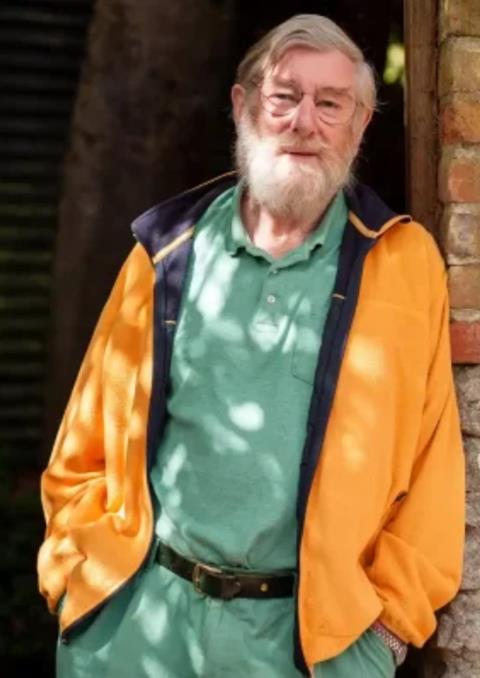
Tributes have been paid to British post-war architect Peter Aldington following his death last month at the age of 93.
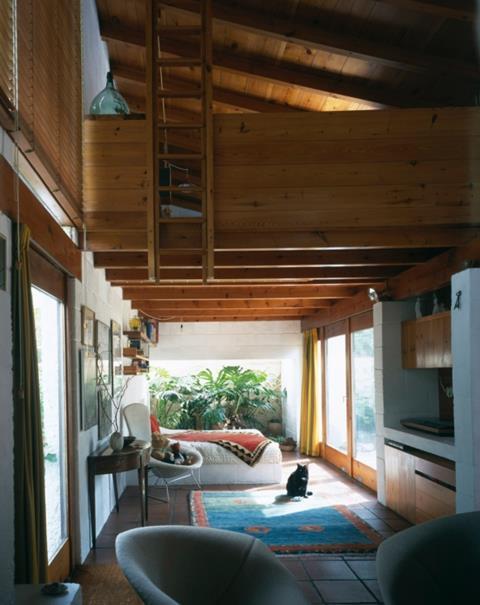
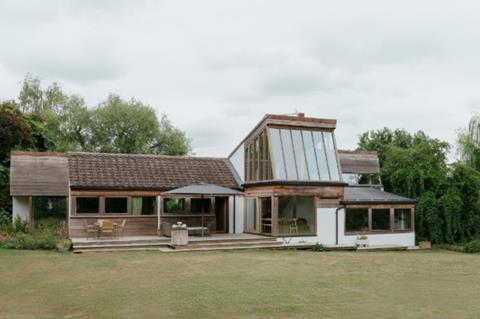
Aldington is best known for his small residential projects including Turn End, a set of three grade II*-listed homes in Buckinghamshire built during the 1960s.
The Turn End scheme, in the village of Haddenham, has been celebrated as an example of how modernist architecture can be integrated into a historic setting without harming its character.
Born in Lancashire, Aldington joined the architects team at London County Council after graduating and started his own practice in 1962. He retired from architectural practice in 1986 to focus on garden design.
Stephen Richards, partner and owner at landscape practice Gillespies, said he was “deeply saddened” to hear of Aldington’s death. He described Turn End as a “masterpiece in siting built form in landscape”, adding it was “humane, modest, uplifting architecture at its best”.
Christ Bottle, director and co-wner of Indigo Landscape Architects Limited, said Turn End was an “absolute masterpiece in beautifully considered, understated design”.
Daniel Marmot, director at Artefact, said Aldington was a “quiet hero of late 20th century architecture in the UK”.
Marmot, who met Aldington in 2018, said the late architect “seemed refreshingly unbothered by the critical reengagement with his work, and it was clear he had a deep integrity that is evident in his designs. The work clearly mattered far more to him than reputation”.
Aldington also completed the now grade II-listed Diggs Field in Haddenham in the late 1960s, with his other works in Buckinghamshire including Clayton House in Prestwood and Lyde End in Bledlow, both of which are listed at grade II. His other projects include Wedgwood House in Suffolk and Anderton House in Devon.






No comments yet