







All-electric scheme aiming to ‘attract new generation’ of occupiers
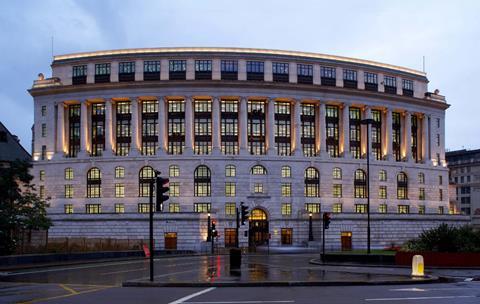
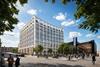
Design work is progressing after plans by KPF for a facelift of Unilever’s City of London headquarters were given the green light.
It is the second refurbishment of the nine-storey, grade II-listed building at 100 Victoria Embankment in just over 20 years.
The original work was carried out by Bovis Lend Lease which was appointed to the £70m job back in 2004 by development manager Stanhope.
Designed for investor Sloane Blackfriars Ltd and development manager 3RE, the scheme is aiming to bring the building up to modern sustainability standards to “attract a new generation of high-profile occupiers”, according to KPF.
The project team includes Core Five on costs, Francis Hunter as project manager, Arup on structures, DP9 on planning, Hoare Lea on MEP and sustainability, Turkington Martin as landscape architect, FMDC on facades and The Townscape Consultancy on townscape.
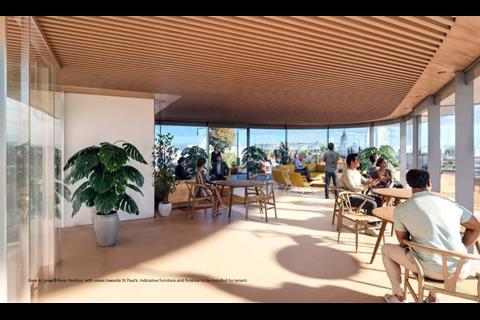
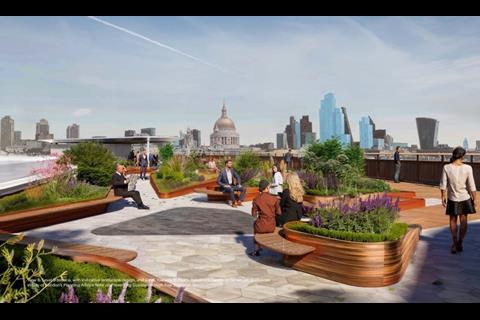
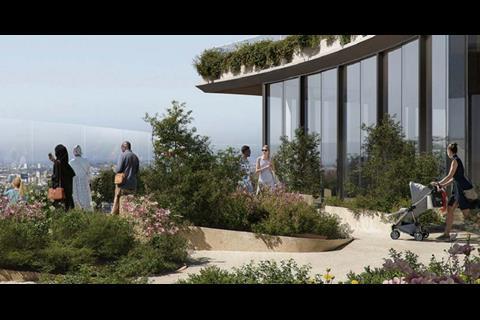
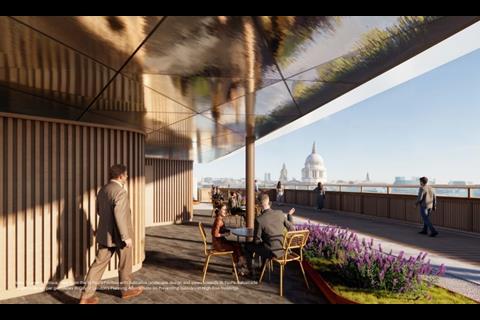
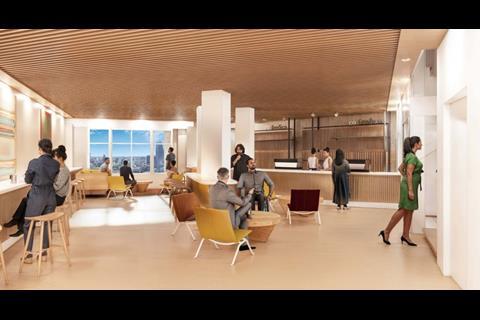
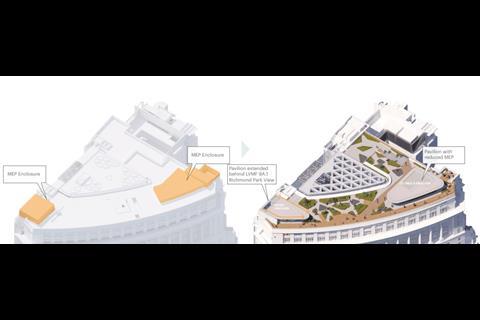
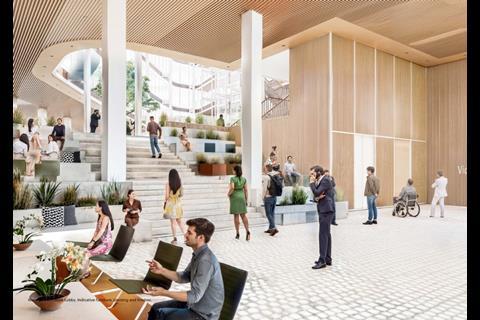
Work would include adding a new roof terrace, a new lobby, remodelling the building’s atrium, creating new windows in its Portland stone facade and installing six metre-high air source heat pumps on its roof as part of a new all-electric energy system.
It would be the third major refurbishment of the neo-classical building, which was completed for Unilever in 1932 and designed by James Lomax-Simpson and Sir John Burnet & Partners.
First remodelled in the 1970s by Theo Crosby, the founder of design firm Pentagram and the architect behind the reconstruction of the Shakespeare’s Glove theatre on the South Bank, it was then refurbished for a second time by KPF which made a series of interior interventions including a contemporary atrium with a large skylight when work was completed in 2007.
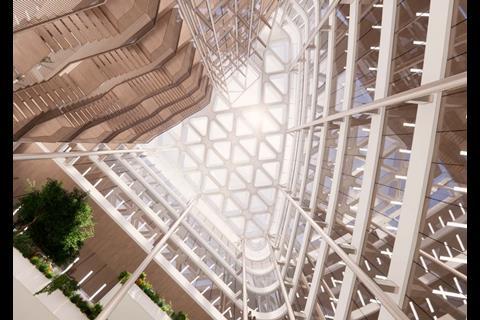
This skylight would be expanded under the firm’s new proposals to increase the amount of light entering the building, while windows across the building would be simplified with glazing bars removed to enhance views towards the City and the river.
Two MEP enclosures on the roof would also be removed and replaced by new pavilions, designed as amenity and event spaces for building occupiers.





1 Readers' comment