Louise Young describes her motivations and shares her experience since moving from private practice, where commercial pressures often outweighed her sustainable ambitions 

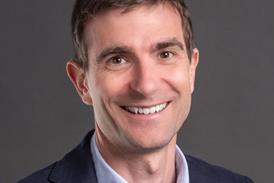
PP Article Photo Louise Young

Louise Young is an architect and certified Passivhaus designer. She has been working as a project manager for retrofit projects at the London Borough of Greenwich.  

I am an architect by training and have worked across various sectors within both large and small practices. I have always been drawn to projects with a strong social impact and those that prioritise sustainability. 

Throughout my career, I have sought opportunities to create buildings that are considerate of their environmental footprint, whether through sensitive adaptation of existing structures or the careful design of new ones.

My primary motivation for joining the public sector was to work on projects where sustainability was not an afterthought but a central guiding principle. Becoming trained in Passivhaus strengthened my belief that design should rise to environmental challenges rather than shy away from them.

In private practice, however, commercial pressures often outweighed sustainable ambitions. Although this is slowly shifting, I felt I lacked the opportunity to fully apply my knowledge and values in this sector.

I was also deeply interested in the end user, particularly within the residential sector and social housing. Having previously worked with local councils to deliver new homes, I saw first-hand both the need and the potential for positive change.

Residential buildings are a major source of carbon emissions, and I wanted to contribute to their improvement on a large scale.

Joining the public sector offered the opportunity to help shape client-side targets and create meaningful outcomes for residents, while also providing me with more autonomy and influence. A secondary motivation for me was seeking a healthier work-life balance. The private sector workload had become all-consuming, leaving me little space for life outside of work.

Through the associate programme, I was fortunate to be matched by Public Practice to a role that aligned perfectly with my interests: retrofit, sustainability, and social housing, within an area of London I already knew well. I was made retrofit project manager at the Royal Borough of Greenwich.

The transition into this role was not without challenges. The pace of decision-making in local government is slower, and rightly so, but this can be a significant adjustment. Yet, when things do progress, the sense of achievement is far greater because of the obstacles overcome along the way.

When I first joined local government, I was not entirely sure what to expect. My first months were a period of intense learning. It took around six months to grasp how the council operated and understand the roles of different teams. Even now, two years in, some processes still surprise me, but that is part of working within a large, evolving organisation.

Working on the client side has completely reshaped my understanding of the built environment. I now see the intricacies of constraints that are not always visible from the outside, particularly those related to residents and budgets.

My role is primarily delivery focused, with some strategic work woven in – especially around future phases and securing new funding. On a day-to-day basis, I work closely with consultants, contractors, designers, and residents, conducting site visits and checks to ensure retrofitted homes are delivered as designed and avoid unintended consequences, such as damp or mould.

I handle resident queries about ongoing works and collaborate with communications colleagues to ensure our retrofit messaging is clear and tailored, especially when multiple contractors are involved.

I’ve also been able to share technical knowledge with the team while learning from colleagues in areas where my previous experience was limited

When I joined the Royal Borough of Greenwich in 2023 within the housing and sustainability team, my main responsibility was delivering Social Housing Decarbonisation Fund Wave 2, the borough’s first large-scale retrofit programme. This included individual dwellings and a block of flats.

My architectural experience proved invaluable, from reviewing and coordinating designs to overseeing contractor work. I’ve also been able to share technical knowledge with the team while learning from colleagues in areas where my previous experience was limited.

Delivery has brought its fair share of unexpected challenges, from technical issues like windows without adequate ledges (and the complications of obtaining warranties) to memorable interactions with residents. These real-life moments have added humour (in some cases) and highlighted the complexity and humanity of delivering retrofit in occupied homes. It has also prevented the work from becoming mundane.

As the team structure evolved, so did my role. I have since stepped into the position of housing energy and sustainability manager, leading a team and planning future waves of retrofit. We are now establishing a technical team, including other Public Practice associates, to support our asset team, upskill colleagues, and grow our retrofit capacity. The goal is to improve as many homes as possible across the borough.

As we move into the next stage of delivery, we will apply key lessons from our first programme – particularly around affordability and engaging residents only when we are confident we can upgrade their homes. We hope to improve more flats, which make up a large share of the borough’s housing, as well as more complex homes that are harder to retrofit, working closely with the architects we have brought client-side.

For Warmer Homes: Social Housing Fund Wave 3 (Wave 3), we are adopting a refined delivery model shaped by what we learned from previous phases. This next stage will allow us to build on successes while addressing the challenges encountered along the way. There is still a need to reflect on what we’ve achieved so far and to think more broadly about the long-term strategy for future programmes.

While I remain ambitious about achieving sustainable targets and continue to challenge established practices, I believe I have become more realistic about what is achievable given the constraints of delivery and the need for fairness and equity to be factored into every decision – something that, in my personal experience, was not so widely considered in the private sector.

There have been many joys of working in local government: seeing tangible differences being made, even when the path is frustrating; experiencing profound personal growth, particularly in my confidence and public speaking; and working within a diverse workforce, which has been refreshing and motivating. The challenges are real too: navigating governance, working through the slow pace of change, and encouraging buy-in during a time of team transformation and shifting ways of working.

The level of responsibility and influence I have been given is far greater than I expected

Looking back, several things have surprised me. The level of responsibility and influence I have been given is far greater than I expected. Also, residents have taken on a centrality that I hadn’t fully experienced in private practice, where the end user can feel distant; here, residents are integral to every decision we make.

This is particularly key where we are carrying out retrofit upgrades while residents are in their homes, which affects the types of work proposed and leads to close collaboration with consultants and contractors. Finally, I didn’t anticipate just how much I would learn – the learning curve has been steep and challenging.

Being part of a cohort of like-minded individuals made an enormous difference. Many of us came from similar professional backgrounds and were facing comparable challenges. Despite having different placements, the shared learning, reflection sessions, and mutual support provided by the programme were invaluable. Colleagues who had completed the programme previously were also incredibly supportive during my transition.

Looking ahead, I am excited to continue progressing wave 3 using our refined delivery model and the additional expertise we’ve brought client-side. I plan to keep advancing our retrofit strategy, helping shape how the council plans and implements future programmes, and developing long-term plans to decarbonise more homes while embedding sustainability across the council’s work. Strengthening and upskilling the team will be key, enabling us to support delivery at scale.

Ultimately, I want to keep working in roles that improve residents’ lives, reduce carbon emissions, and strengthen the resilience of our housing stock.