






For years Dutch housing architects were able to ignore the tastes and preferences of their tenants and pursue unashamedly modernist projects. But, as home ownership increased, the demand for more traditional yet affordable houses grew with it

The Netherlands may be famous for innovative architecture by Koolhaas, MVRDV, or UN Studio but, travelling around new-built neighbourhoods, you now find more traditional houses. It was different in the 1980s, when modernist terraced houses dominated. What happened? A simple shift towards the buyers – the homeowners.
After the Second World War, the focus was on relieving the enormous housing shortage. In the late 1950s and 60s, the building industry developed rapidly. Affordable apartments with standard floorplans in standard building blocks of six to 12 stories shot up.
Architectural commissions were given by housing cooperatives that, since 1901, had dominated social housing. These cooperatives had their roots in socialist movements and their modern apartment buildings were seen as left-wing progress.
The government assigned exact numbers of housing to designated cooperatives, providing funds and built infrastructure.
In the 1970s, residents began to claim their part in the decision making, especially in urban renewal, but nothing much changed in terms of production and style. Housing cooperatives, often managed by graduates from the University of Delft, employed architects they knew from university.
They did not need to pay attention to the taste and preferences of their tenants, who had no choice but to accept
It was a productive period, with a very restricted group of modernist architects and their clients. They did not need to pay attention to the taste and preferences of their tenants, who had no choice but to accept. This continued throughout the 1980s, when modernist terraced housing reached its peak.
But this changed radically in the 1990s, when the government changed from the left to liberalism and housing policy changed in favour of ownership. Tenants were encouraged to buy their homes.
Subsidies were given to low-income families. Newly built houses became affordable, and ownership became possible for former tenants.
At first, the architecture did not change and the existing housing cooperatives with their set up of managers and architects carried on. But soon developers also entered the market with big projects. The taste and preferences of buyers suddenly became a marketing issue.
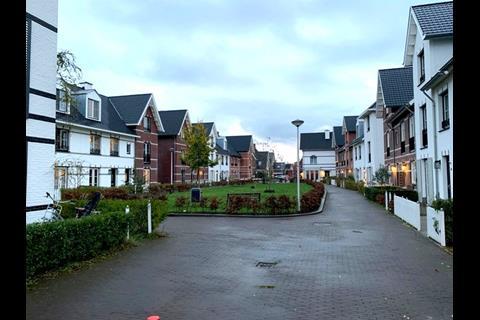
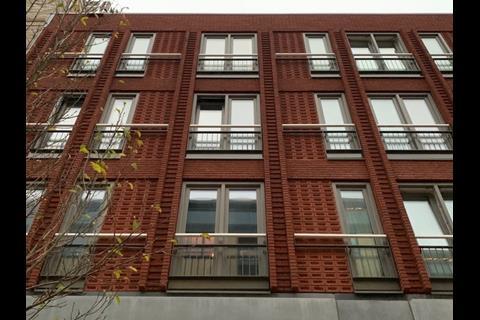
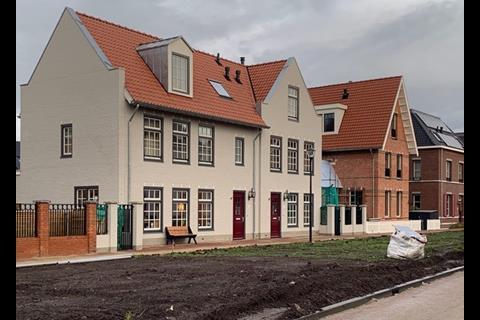
Private enterprises introduced traditional designs. Individual traditional houses appeared far more attractive than the repetitious modernist terraces produced by the cooperatives.
Estate agents entered the field with advertising and marketing. They invented new promotional phrases such as “a farm-like house” or “like the house of the village lawyer”.
Traditional-looking houses sold well, but often the design failed. Architects were not up to producing good designs for simple, traditional and affordable homes.
In the early days of this century architectural debate became aggressive. On one side, modernist architects and cooperatives felt threatened, their designs failing to sell. On the other side were promoters, developers and a small group of architects who were willing to take public preferences seriously.
Modernist projects simply did not sell, and designs were withdrawn and redesigned as traditional
The financial crisis in 2009 affected mortgages and borrowing, and the sales of new-built houses plummeted. This accelerated the shift to traditional architecture.
Modernist projects simply did not sell, and designs were withdrawn and redesigned as traditional. In addition, several bribery cases in housing cooperatives shocked the public and politicians, who introduced restrictive regulations.
Since 2013, the Netherlands has a housing market dominated by promotors and developers, guided by the taste of the public. Modernist architects changed their approach, influenced by traditional architecture.
Bricks were accepted, but the application had to be “innovative”: glued-on, sliced or inside-out. Just about every possible variation to prove that the architect is still up-to-date, modern and definitely not traditional.
Traditional architecture came to be taken more seriously by some architects, who united and reached out to similar groups in other countries including the UK. Gradually the quality of traditional new-build areas improved, like Brandevoort or Weespersluis.
Traditional design, however, was restricted to housing. Institutional and governmental buildings stayed in the hands of modern architects, and they still are.
Nowadays, the enormous and ever-increasing housing shortage is generating a wave of modernistic high-rise buildings, especially around the bigger cities like Amsterdam. The debate between traditional and modernist architects seems to have fallen silent, leaving everyone operating in their own sphere.
At least now, depending on your taste, you can visit the new modernist districts in the north of Amsterdam – or the new traditional settlements to the south-east.
Postscript
Mieke Bosse has been working as an architect for over 40 years. She graduated in 1982 from the Faculty of Architecture at the Technical University of Delft. She has participated in several significant movements concerning housing, architecture and urban issues. The work of her office, Scala, combines restoration, renovation and new-build projects. Participation and translating residents’ input into effective, feasible and sustainable projects remains a focus in her work.







2 Readers' comments