









Newport scheme was Rogers’ first major UK project completed after the Pompidou Centre
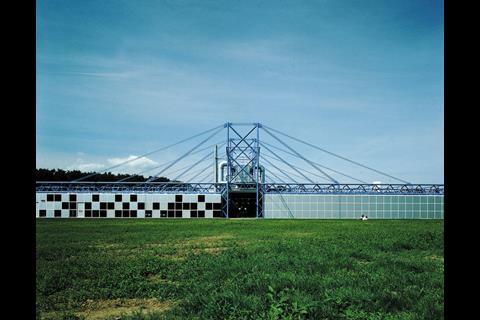
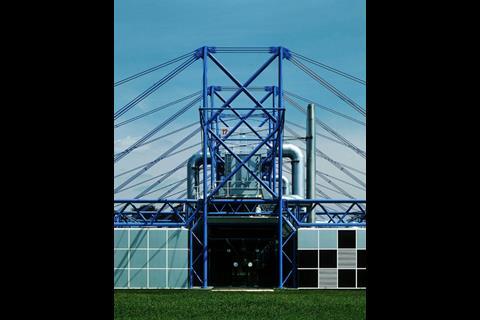
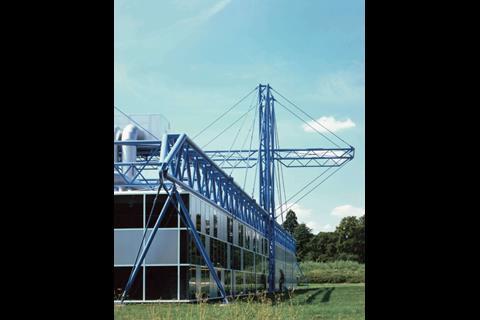
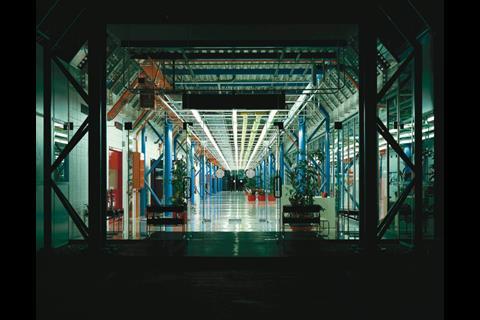
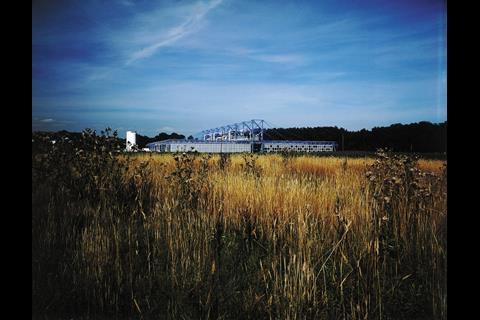
Richard Rogers’ landmark Inmos Microprocessing Factory has been awarded grade II*-listed status in recognition of its national significant role in the development of British Hi-Tech architecture.
The semiconductor fabrication plant, designed by Rogers, John Young and Mike Davies in partnership with engineer Anthony Hunt, has long been considered among the most important industrial buildings of the late 20th century.
Completed in 1980, it was originally built for semiconductor manufacturer Inmos as part of the UK government’s efforts to stimulate advanced manufacturing industries.
Located in Newport, it was Rogers’ first project in Wales and the first completed by the architect in the UK after his breakthrough with the Pompidou Centre in Paris.
The decision to grant protected status comes after a successful listing bid by the Twentieth Century Society, which described the factory as one of the most important buildings in Britain.
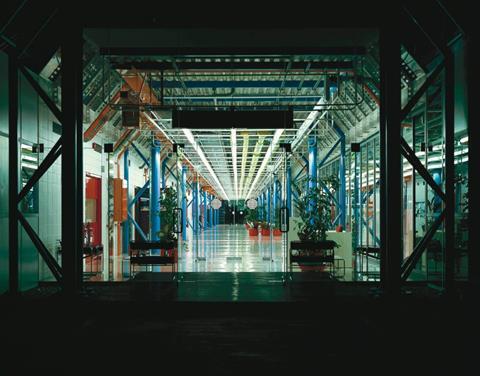
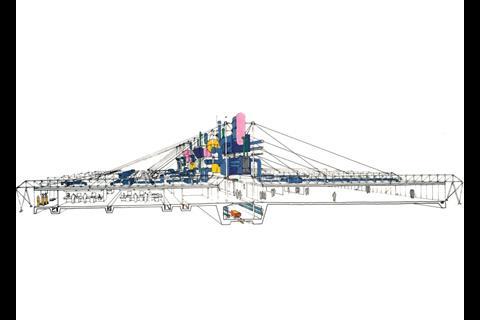
The building was designed for fast construction, the ability to be expanded easily and to be adapted without interrupting production.
Its ceiling, suspended on a tubular steel exoskeleton, allows wide column-free interior spaces while the square panels on its facade can be removed to allow the building envelope to be easily adapted.
RSHP senior director John McElgunn said the listing “recognises how inventive industrial architecture can be when clarity, flexibility and technical intelligence come together.
He added: “Inmos was never just a factory — it was a prototype for buildings that could be assembled rapidly, adapt to new technologies, and still carry the precision and lightness of great architecture.
“We hope the listing will allow the building to remain flexible to its evolving needs, and reaffirming our belief that highly technical environments need not sacrifice elegance or human clarity.”







No comments yet