








Grosvenor calls for new planning rules allowing automatic consent for low-risk retrofit jobs on listed properties
England’s historic buildings risk becoming uninhabitable unless ministers streamline the heritage planning system, a new report by the Duke of Westminster’s development company has warned.
Research commissioned by Grosvenor claims England’s three million listed buildings and properties are being held back from basic energy efficiency upgrades by slow, inconsistent and overly complex planning rules despite approvals being almost guaranteed.
The report found local authorities spend around 4,000 working days each year processing listed building consent applications for low risk retrofit measures such as secondary glazing, insulation and heat pumps, with only a third being decided within the required eight-week timeframe but 93% being ultimately approved.
It also found only 16% of local authority offices feel very confident about making decisions on heritage retrofit, while 87% of historic building owners see the planning system as a major barrier to adapting their properties.
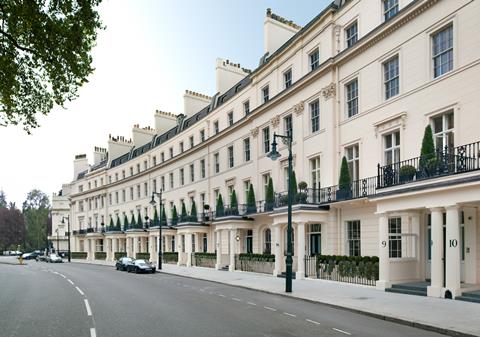
Grosvenor’s estate spans large parts of Mayfair and Belgravia and includes more than 1,500 listed buildings, including around 50 listed at grade I.
Without reform, the report warns, historic buildings risk falling into disuse, undermining both their heritage value and the delivery of the government’s recent £15bn Warm Homes Plan.
Grosvenor has called on the government to introduce a national listed building consent order which would grant automatic consent for low-risk, high-benefit retrofit measures in listed buildings.
The developer is also calling for a local development order to streamline planning permission for retrofit works in conservation areas and the creation of a skills programme, building on Historic England’s existing training programme, which would ensure local authorities can access qualified conservation expertise.
Grosvenor chief sustainability officer Tor Burrows said: “Historic buildings only survive if they can adapt. If they are cold, expensive to run and difficult to upgrade, they risk falling into disuse. Once that happens, heritage is lost.
“The real issue now is speed and scale. Retrofitting historic buildings needs to happen across millions of buildings, not slowly, one application at a time.
While he acknowledged resource constraints at local authorities, Burrows argued a system requiring individual approvals for small interventions “but takes months to do so is no longer protecting heritage, it is holding back climate action”.
Experts who have contributed to the report include Donald Insall Associates’ Cordula Zeidler, Pinsent Mason’s Clare Mirgin and Robbie Owen, Newmark’s James WIckham and CLA’s Jonathan Thompson.







1 Readers' comment