





Conversion of Lewisham’s grade II-listed Ladywell Playtower into cinema fell through in September
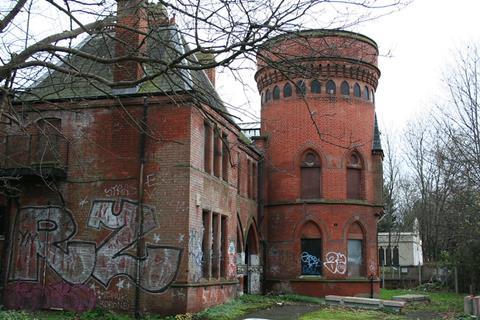
Lewisham council has launched a search for a new development partner to save a dilapidated but grade II-listed former bathhouse after previous plans to transform the site into a cinema fell through.
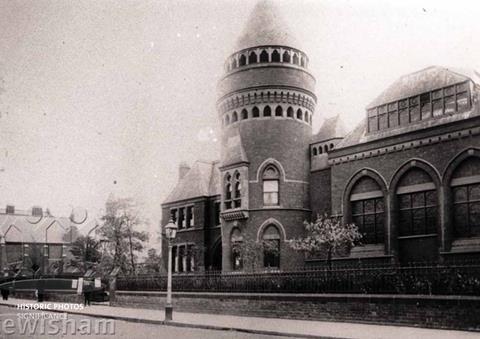
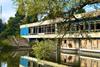
Opened in 1884, Ladywell Playtower is one of London’s earliest surviving public baths, built in a brick gothic revival style with a distinctive round water tower which was originally topped with a conical roof.
Plans by Maccreanor Lavington and Pringle Richards Sharratt to convert the building into a four-screen cinema and build two housing blocks on the site were approved in 2022 but Lewisham council rescinded the consent from developer Guildmore in September because of what it said was the firm’s “inability” to deliver the stalled scheme.
Guildmore has blamed a “combination of unprecedented external factors” for being unable to progress the scheme including a slow housing market and rising construction costs.
The council has now said it is looking for a new partner to secure the future of the building, which is in urgent need of repair.
The search will run from this month to late 2026 in order to secure a “viable proposal for renewal and re-use that is deliverable, financially viable and shaped by local priorities”, the council said.
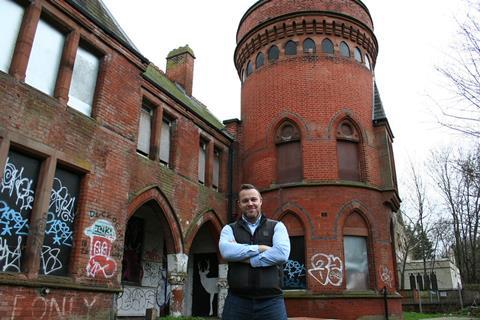
Councillor James-J Walsh, Lewisham’s cabinet member for inclusive regeneration and planning, said: “Ladywell Playtower is part of who we are in Lewisham, a landmark that carries real local history and pride and a place I visited when I was younger.
“After years of being left behind, we now have the chance to bring it back to life for the community. For it to thrive again and into the long term, it needs a partner who can restore it properly, run it sustainably, and create a place that people will genuinely use.”
A community feedback survey is open until 29 January next year, with potential development partners able to express interest in the job until 28 February.
The council said it is welcoming expressions of interest from organisations which have “the experience and capability to lead complex heritage restoration projects and operate community-facing buildings for the long term”.
Designed by architect Wilson, Son and Aldwinkle, Ladywell Playtower operated as a baths until 1964 before becoming a community space, which eventually closed in 2004.
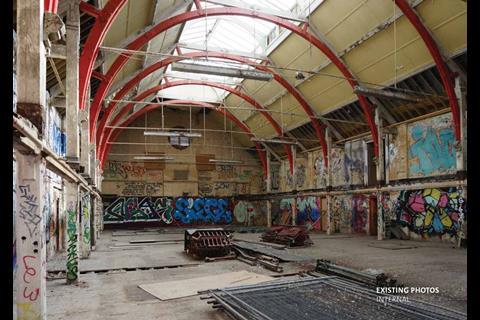
The building has now been vacant for more than two decades with the first class pool hall currently covered with graffiti. The site is on Historic England’s Buildings At Risk Register and has been identified by the Victorian Society as one of its top ten most “at risk” Victorian buildings in England.
Guildmore’s scrapped scheme would have seen the construction of a large screen in the building’s main pool tank, a second screen in the basement and two further screens on the first floor.
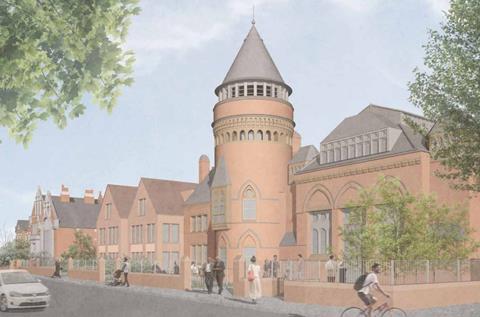
Internal and external areas of the building would have been fully restored, two elevations demolished and rebuilt with existing reused bricks, and its central courtyard area would have been covered over with a slated roof hung with glazed lanterns. A conical roof on the tower which was removed in 1908 would also have been reinstated.
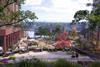
Two new buildings would also have been built on the site, a five-storey yellow-brick block containing 23 homes and a three-storey red-brick block containing 10 homes.
The project team on the scheme also included DCLA as landscape architect, Alan Baxter on structures and civils, Avison Young on daylight, P3R on building services, Boyer on planning and Markides Associates on transport.


No comments yet