




Practices marginally expect more work over the next three months, RIBA survey finds
Architects remain marginally positive about future workloads ahead of today’s Budget but are still reporting a lower level of work than a year ago, RIBA has said.
The institute’s Future Trends survey for September returned a workload index of +1, indicating that practices on average expect their workloads to increase over the next three months.
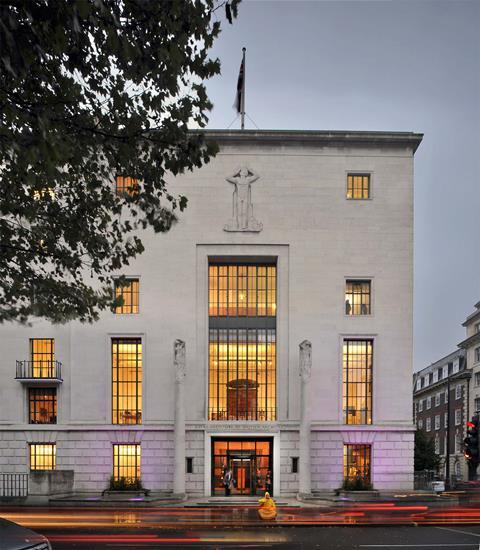
It is the third consecutive month that the index has been in positive territory following a slump in the spring which saw the figure fall to -9.
September’s survey of RIBA members found 24% of practices anticipate an increase in workloads, 23% expect a decline while the majority, 53%, expect workloads to remain stable.
Respondents are also expecting to hire more permanent staff over the next three months with the staffing index moving up from -1 to +3 while the temporary staffing index also improved from -1 to +1.
However, practices report current average staffing levels were still 5% below those of a year ago while workloads were on average 9% lower.
The survey indicated a marked improvement in workloads expectations in London, where its regional workloads index jumped from -10 to +9 while Wales and the West remained the most positive region at +11.
Private housing remained the weakest major sector with its index unchanged at -5 while the commercial sector was the most positive at +2.
RIBA head of research Adrian Malleson said: “This month’s Future Trends report is an illustration of a profession that remains steadfast in the face of intense competition, increased costs, and the challenges associated with AI.
“While we cannot call this a sustained recovery from a difficult period for the profession, these findings suggest a stabilisation of outlook, with some practices providing a more upbeat assessment of the market, including steady work from repeat clients and improving enquiry levels”





No comments yet