





In our social media dominated world, built-environment firms are choosing time-lapse video as a way to showcase their work
Video has become the dominant medium of our times: roughly four-fifths of global internet traffic is now video, and on most social platforms video posts receive much higher engagement than static ones.
Time-lapse films
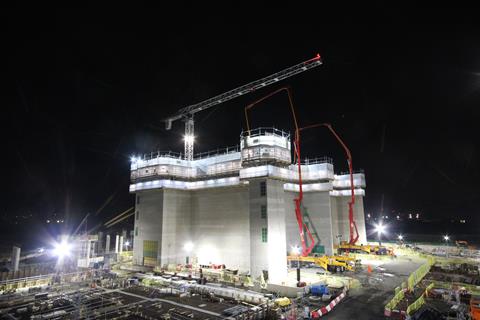
In this environment, firms in the built-environment sector are looking for ways to incorporate video into their online presence, and one way to show what they do is by means of time-lapse films of projects.
Time-lapse video allows project teams to communicate progress in an impactful way that grabs attention in a way written reports may struggle to do. A single film can compress months or even years of work into a clear, compelling narrative that shows momentum, scale and complexity.
As construction firms compete harder for new work, visual storytelling is becoming a differentiator, and a well-produced time-lapse film can demonstrate capability, scale and delivery confidence.
At the same time, with the sector under more scrutiny than ever, clients, investors and local communities increasingly expect greater transparency around how projects progress, and, again, visual documentation is becoming a powerful way to deliver that.
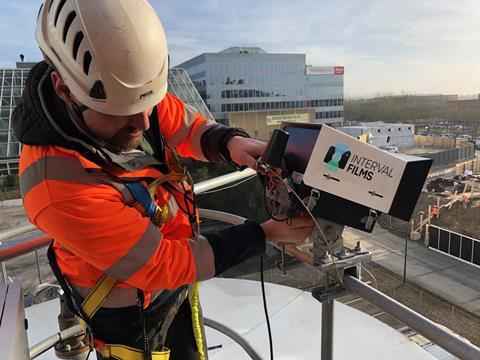
Tool for project management
There is also growing recognition that time-lapse is not just a marketing asset but can also be a practical project-management tool. Archived imagery provides a visual record of milestones, logistics and sequencing, which can be invaluable for internal reviews, dispute resolution and lessons learned on future projects.
With projects also often geographically dispersed, and senior stakeholders managing multiple sites simultaneously, remote visual oversight can be a useful management tool, that allowing teams to monitor progress and check site conditions without needing to travel.
Ollie Larkin, founder, of construction time-lapse specialists Interval Films, said, “Construction is becoming more transparent and more digital. Time-lapse sits right at the intersection of those trends. It allows project teams to monitor progress remotely, communicate clearly with stakeholders, and create a visual record of the entire build. Increasingly, it’s not just a marketing tool – it’s part of the project infrastructure.”