

Finalist for Office Architect of the Year Award 2025, Emrys Architects guides us through the specification challenges present at Berners & Wells
Emrys Architects’ body of work has been shortlisted for this year’s AYAs, as the practice was named a finalist for Office Architect of the Year.
In this series, we take a look at one of the team’s entry projects and ask the firm’s associate and project architect, Jack Rosewall, to break down some of the biggest specification challenges that needed to be overcome.
What were the key requirements of the client’s brief? How did you meet these both through design and specification?
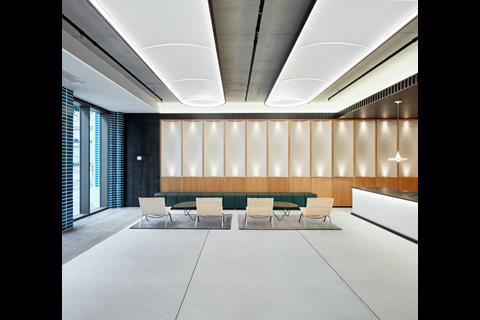
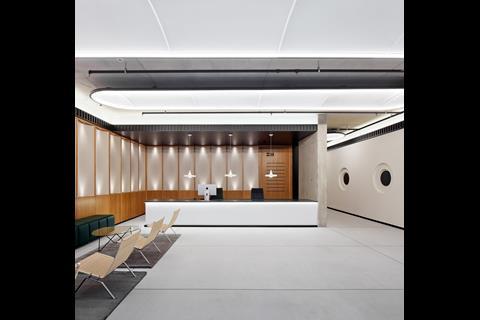
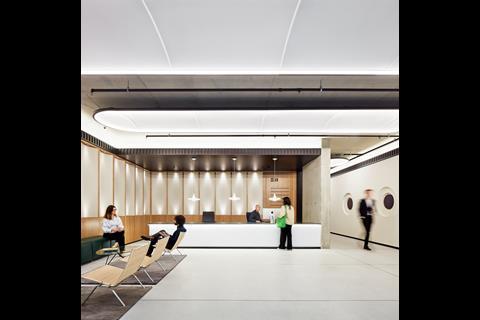
The client’s brief was set around creating high-quality office and retail space that was flexible, futureproofed and respectful of the historic Fitzrovia context. We were asked to deliver a building that balanced durability with contemporary flair, while also improving the public realm and stitching the site back into the surrounding urban fabric.
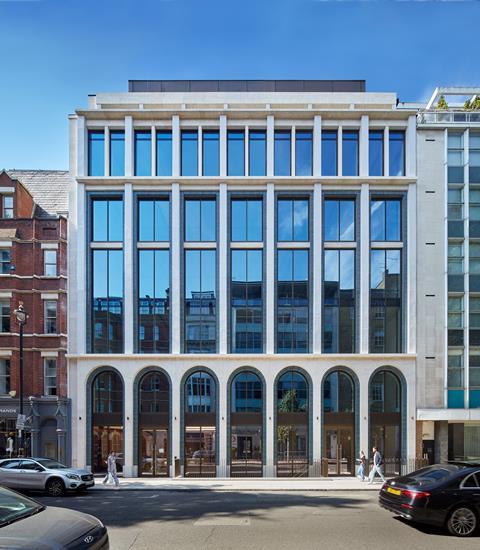
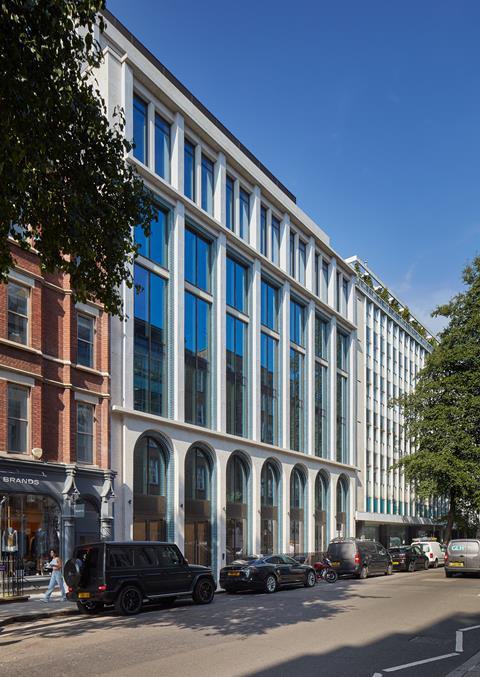
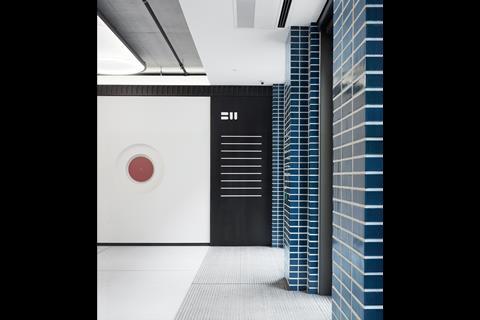
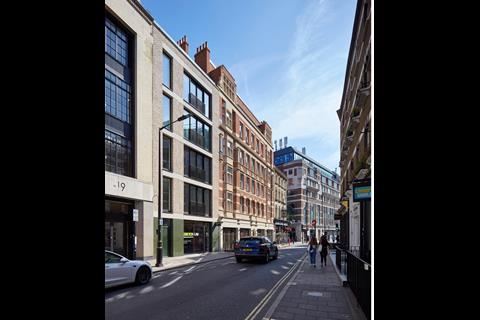
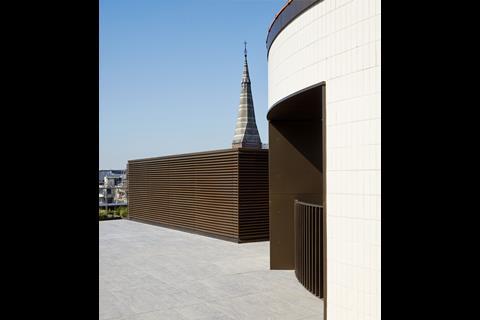
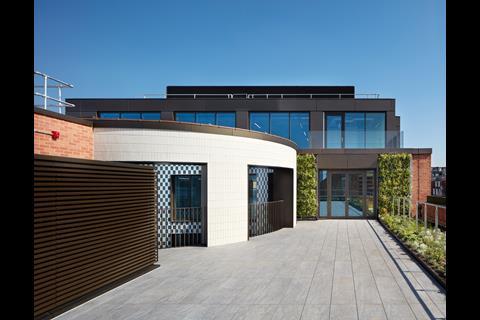
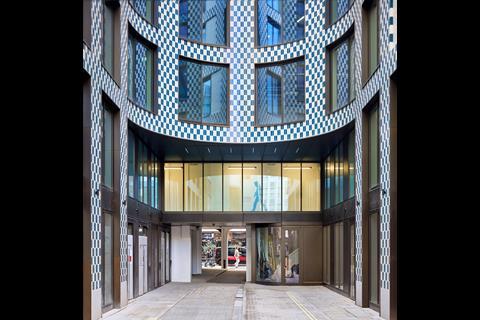
We responded through a specification that combined traditional masonry materials with carefully detailed contemporary elements. The retention and repair of the Edwardian facade on Wells Street ensured continuity with the conservation area, while the use of Portland stone, hand-set brickwork and bespoke faience columns created a sense of permanence and craft on Berners Street. At the same time, lightweight glass and bronze systems at upper levels offered adaptability and daylight, aligning with the brief for long-term flexibility.
What were the biggest specification challenges on the project and how were these overcome?
One of the main challenges was reconciling the ambition for a striking contemporary design with the sensitivities of a conservation setting adjacent to listed buildings. Every material had to work both aesthetically and technically, satisfying performance requirements without appearing incongruous in its context.
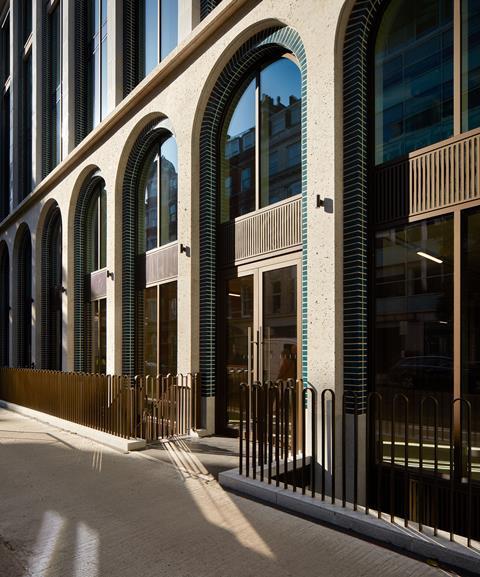
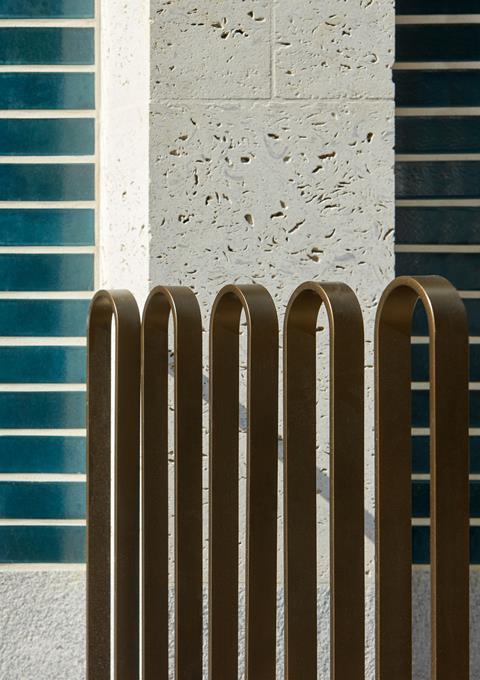
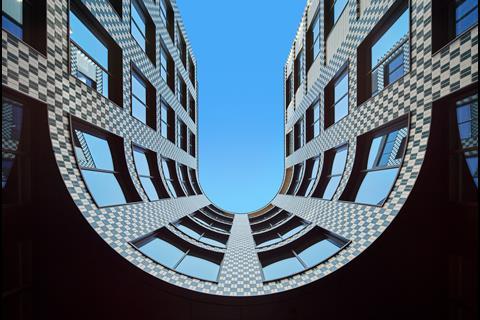
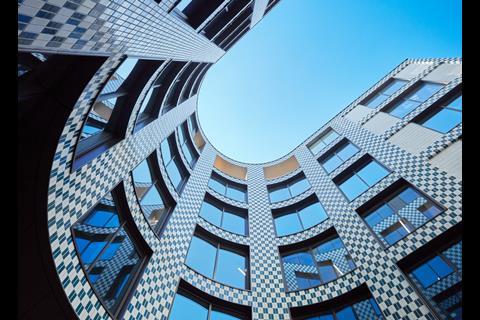
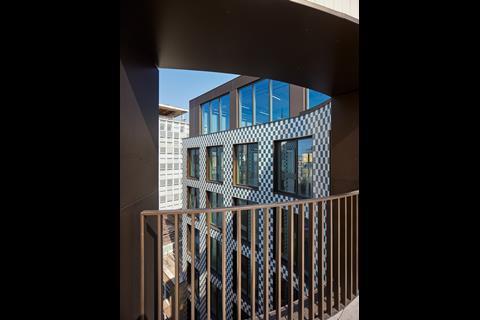
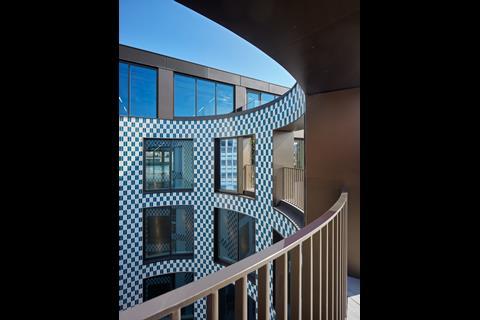
To overcome this, we undertook a rigorous process of sampling, mock-ups and on-site reviews. For example, the petrol blue glazed brick was carefully tested to ensure it complemented the neighbouring Sanderson Hotel while still providing a distinct identity. Similarly, the faience was fabricated to our brief with a subtle blue speckle, giving depth and variation that worked in changing daylight conditions.
What are the three biggest specification considerations for the project type? How did these specifically apply to your project?
Contextual integration: Ensuring the new design felt at home within a conservation area, which influenced the choice of stone, brick and faience.
Longevity and durability: Selecting traditional masonry and artisanal methods that would stand the test of time while reducing future maintenance.
Flexibility and user experience: Specifying internal systems, glazing and layouts that support multiple uses over the building’s lifecycle.
All three came into play at Berners & Wells, where the combination of robust facade materials and lightweight upper levels delivered a building that is both enduring and adaptable.
Do you have a favourite product or material that was specified on the project?
One of my favourite materials on the project is the faience. As a traditionally crafted material, it carries subtle irregularities and a soft blue speckle that catch and reflect light in a way that constantly changes throughout the day. It provides both a tactile quality and a contemporary counterpoint to the retained Edwardian brickwork, embodying the project’s balance of tradition and innovation.
Are there any suppliers you collaborated with on the project that contributed significantly? And what was the most valuable service that they offered?
Yes – we worked closely with specialist suppliers to develop the masonry and faience elements. Their expertise was invaluable in refining finishes, producing samples and ensuring technical performance standards were met. Their willingness to engage in a truly collaborative process, from early design development through to installation, allowed us to achieve the crafted detail and permanence we were aiming for.
Several enjoyable visits to Darwen Terracotta were needed to inspect faience range samples, manufacturing process and final dry lay to ensure the quality of the final product.
The facade contractor Putney & Wood provided a fantastic service which included detail design workshops, material range sampling and construction of a full size bay mock up of the Berners Street facade which included material options and allowed for bespoke swing bag testing.
What did you think was the biggest success on the project?
The biggest success was the way the building bridges between old and new, both physically and conceptually. By retaining and extending the Edwardian facade, introducing contemporary yet sympathetic materials, and creating a revitalised semi-enclosed mews space.We achieved a design that feels like it has always been part of Fitzrovia while clearly being of its time.
From a specification perspective, the success lies in the material palette, which gives the development a sense of character, robustness and longevity that will endure for generations.
Project details
Architect Emrys Architects
Client Berners-Allsopp Estate and Schroders
Start on site February 2021
Completion date March 2024
Contractor McLaren
Project manager Blackburn & Co
Quantity surveyor Exigere
Structural engineer Elliott Wood Partnership
MEP GDM Partnership / Ampsail
Planning consultant Rolfe Judd Planning
Sustainability consultant Verte Ltd
Landscape architect Farrer Huxley
Lighting Light The Future
Curtain wall Aluprof UK
Berners street facade Albion Stone, Ibstock, Darwen Terracotta
Stonework contractor Putney & Wood
Cladding contractor Reconal UK
D&B team facade engineer Interface Facades
Brickwork contractor Blou Construction Ltd
Stone Albion Stone
Glazed bricks Ibstock
Faience Darwen Terracotta
Our “What made this project” series highlights the outstanding work of our Architect of the Year finalists. To keep up-to-date with all the latest from the Architect of the Year Awards visit here.



1 Readers' comment