







Group had predicted growth in January but says ongoing conflict could impact sector for next 18 months
Output is expected to fall by 2.5% this year with the war in Iran and tumbling private housing demand being blamed by economists at the Construction Products Association.
In its spring forecast, the group said the Middle East conflict and its impact would continue to hit the UK economy until the end of next year.
It added: “It appears increasingly likely that the second half of this year will see both a drop in construction demand and sharp cost increases, especially in the two largest sectors, private housing and private housing repair, maintenance, and improvement.”
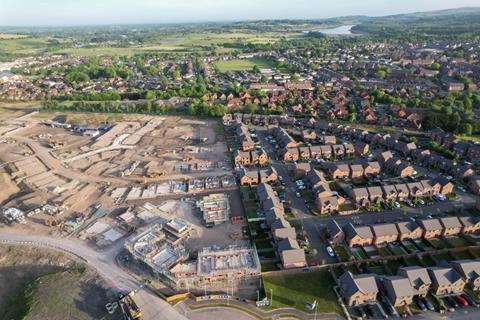
It said it was cutting its previous forecast of 1.7% growth this year made in January to a decline of 2.5% with private housing output expected to sink by 7% from a previous growth forecast of 1.5%. It added the sector will remain flat next year.
The CPA admitted: “This is a sharp, unprecedented downward revision to the CPA’s forecasts since the winter forecasts, driven by the potential impact of global events.
“Private housing is the largest construction sector. After persistent rain affected activity in January and February, March and April saw stronger activity with house builders eager to build out to meet demand for homebuyers who had mortgages approved before the recent increase in mortgage rates since the conflict.
“This is likely to be the case until July and the key concern is what happens to demand as these higher rates are factored into purchasing decisions, especially as affordability in areas of the country with higher house prices was already a key constraint for house builders.”
The CPA said housebuilders will have to factor in cost increases which will put the viability of some schemes at risk.
But it said infrastructure would weather the problems with a project growth of 3.2% this year and 3.4% next.
The CPA added: “There is still expected to be significant growth in infrastructure, the third-largest construction sector, given longer-term existing contracts, pipelines of activity and funding in place for future projects.”
The CPA’s head of construction research Rebecca Larkin said: “At the start of this year, there was a degree of cautious optimism over the outlook for construction activity in 2026 and 2027 across most sectors. However, this has been replaced by stark concerns over global factors and oil and industrial energy cost rises, leading to a spike in inflation.
“The direct impact on construction will be double-digit construction product price inflation. Indirectly, however, increases in inflation across the economy will also hit confidence and spending or investment from potential homebuyers, homeowners, businesses, clients and investors.”
The CPA said the government should start to seriously consider a range of measures to help industry such as cutting the burdens of several cost due to come into force in the next few months such as its new 50% import tariff on steel products in July and the Building Safety Levy in October.







No comments yet