







Witherford Watson Mann and AtkinsRealis also working on transformation of grade II*-listed Haigh Hall into events venue
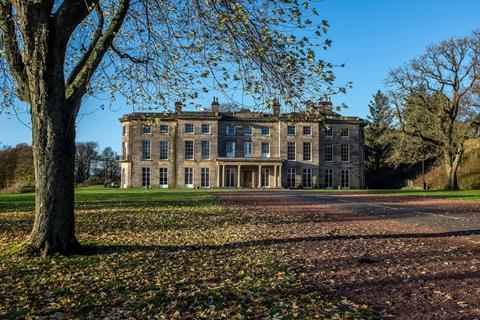
Purcell’s plan to turn a Grade II*-listed stately home near Wigan into an events venue have been given the green light despite heritage groups warning of “serious and irreversible harm” to the building.
Wigan council approved its own proposals to redevelop the early 19th century Haigh Hall on Tuesday, which it said will transform the country house into a “cultural visitor destination of regional and national significance”.
But the £40m plans have been opposed by heritage groups including the Georgian Group and the Victorian Society, both of which have called for the scheme’s application to be withdrawn.
The scheme has been designed by a team of big hitters with Purcell acting as lead architect, two-time Stirling Prize-winner Witherford Watson Mann working on interior design and AtkinsRealis acting as project manager.
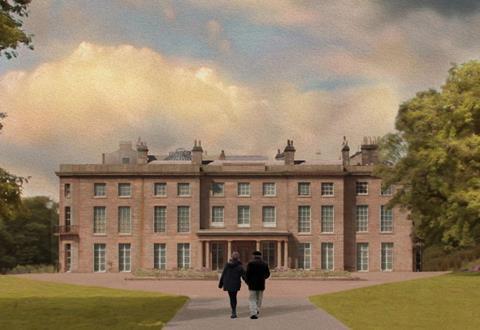
Haigh Hall was built between 1827 and 1840 for James Lindsay, Earl of Crawford but sold to the Wigan Corporation, the predecessor to Wigan council, in 1947 and is currently on Historic England’s heritage at risk register.
The building has been undergoing incremental restoration with its latest transformation coming after the site was granted £20m in levelling up funding from the government in 2023.
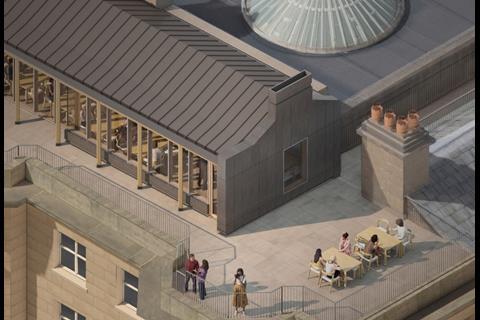
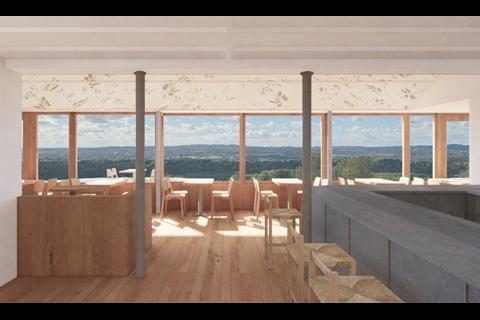
The council’s proposals will continue external fabric repairs while adding a rooftop extension and terrace containing a bar and restaurant, transforming the building’s grand first floor rooms into an art gallery, creating ten bedrooms on the second floor and creating a series of event spaces for weddings.
While both the Georgian Group and the Victorian Society welcomed plans to bring the site back into use, the groups argued the scheme - which requires the removal of historic fabric including a servants’ staircase and “fantastically rare” original toilets - will cause permanent damage to the building.
In a letter to the council last month, the Georgian Group described the proposals as “intensive and invasive with a high potential to cause significant and irreversible harm to the special architectural and historic significance”.
It added that the council had failed to offer “appropriately clear or convincing justifications” to what it argued would be a “very high degree of harm” caused to the building if the scheme goes forward.
The Victorian Society has similarly described the scheme’s heritage impact as “unacceptable” with the group’s concerns focusing on the scheme’s proposed roof terrace.
“This terrace would erode and diminish the exceptional national significance of Haigh Hall, and a strong and convincing argument for its construction has not yet been met,” the group said.
Both heritage groups also raised concerns about “intrusive” restoration works already carried out at the site, which they said they had not been consulted on.
While Historic England said the plans would involve “extensive changes and would result in some harm to the significance of the listed building”, the government heritage advisor has not objected to the scheme and said the building’s reuse would bring significant public benefits.
Purcell said concerns raised by consultees had been “considered and evaluated through the design and further consultation process, with the aim of minimising harm and ensuring that any impacts can be clearly justified”.
The practice added that its proposals “represent a carefully considered and proportionate response to a complex and sensitive heritage asset,” adding that the scheme has sought to “balance conservation with the practical requirements of bringing the building back into viable use, ensuring its long-term future”.
Others working on the project include landscape architect Exterior Architecture and Cundall on building services.
A Wigan Council spokesperson said: “The proposals for Haigh Hall have been developed through a comprehensive and collaborative pre-application process.
“Working with planning colleagues and Historic England, extensive engagement was held with a wide range of stakeholders, including local residents, civic and historical societies, and the Victorian Society and the Georgian Group, which allowed issues to be identified early on.
“A meeting with the societies to review the proposals was well received following initial objections, with group feedback carefully considered.
“Whilst some consultees have raised concerns in relation to specific aspects of the proposals, Historic England, has confirmed it has no objection to the proposals, with any identified harm categorised as less than substantial and is outweighed by the significant public benefits of the scheme.
“The approved plans secure the long-term conservation of the Hall, opening it up for wider public use.”
Witherford Watson Mann has been contacted for comment.







1 Readers' comment