- Home
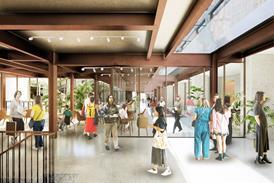 Green light for Witherford Watson Mann’s £90m transformation of RCA’s Kensington campus
 Loughborough university professor appointed as next chief construction advisor
 Arcadis to sell most of its architecture business and cut 1,000 staff following WSP’s failed takeover bid
 Perhaps architecture needs more tradition, not less
- Events

Early bird tickets available now
Find out more
Events calendar
Explore now
Keep up to date
Find out more
- Programmes



‘Brutalism has finally come of age’: C20 hails decision to list Southbank Centre after 35-year battle
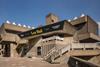
Decision means 1960s building joins its Brutalist neighbours including the National Theatre and Royal Festival Hall in benefitting from protected status
The Southbank Centre has finally been granted protected status following a campaign lasting more than three decades to save the 1960s landmark from demolition.
The Twentieth Century Society and Historic England have recommended the Brutalist gallery and performance space complex for listing on six occasions since 1991 but the bids have been consistently rejected by the secretary of state.
…
This content is available to registered users | Already registered?Login here
You are not currently logged in.
To continue reading this story, sign up for free guest access
Existing Subscriber? LOGIN
REGISTER for free access on selected stories and sign up for email alerts. You get:
- Up to the minute architecture news from around the UK
- Breaking, daily and weekly e-newsletters
Subscribe to Building Design and you will benefit from:

- Unlimited news
- Reviews of the latest buildings from all corners of the world
- Technical studies
- Full access to all our online archives
- PLUS you will receive a digital copy of WA100 worth over £45
Subscribe now for unlimited access.