


As upmarket buy-to-rent (BTR) tower Shard Place launches, we met Albert Giralt, partner/director at Renzo Piano Building Workshop (RPBW), to learn about the challenges of designing the luxury resi tower that completes the Shard grouping – and signals a new ambition for the capital’s BTR sector
A quarter of a century on since Renzo Piano was chosen to design the Shard, as the third and final tower in the Shard Quarter is delivered, we asked lead designer Giralt how he feels now that the scheme is finished, and talked about key design details in the project.

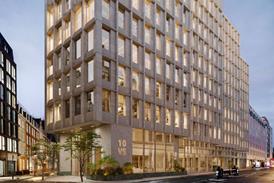
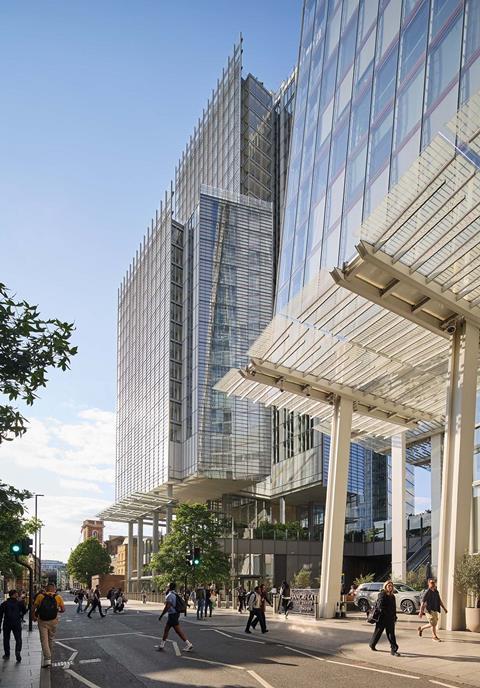
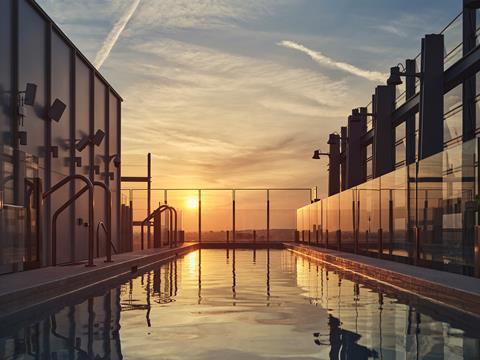
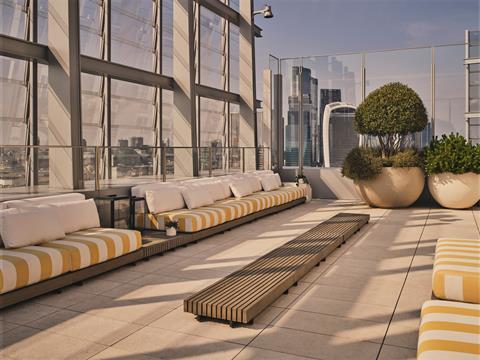
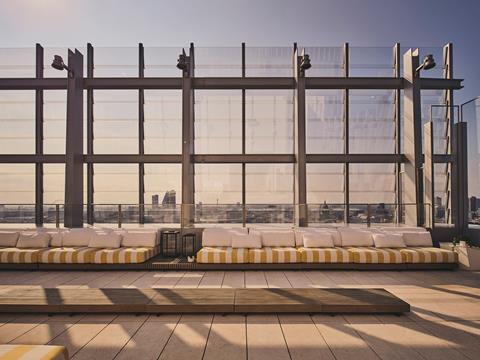
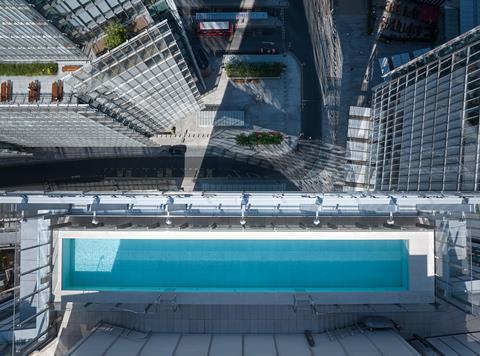
Shard Place marks the completion of RPBW’s London Bridge masterplan. An early decision capped the building at no more than a third of the Shard’s height, preserving the original tower’s primacy in the skyline. The 27-storey glass tower delivers 176 BTR apartments – and the capital’s highest outdoor swimming pool – using characteristic RPBW language of light and transparency, echoing, but deliberately deferring to, its iconic neighbour.
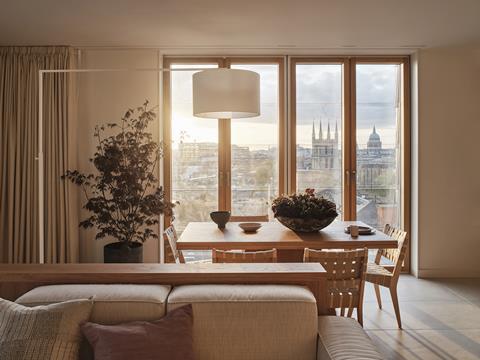
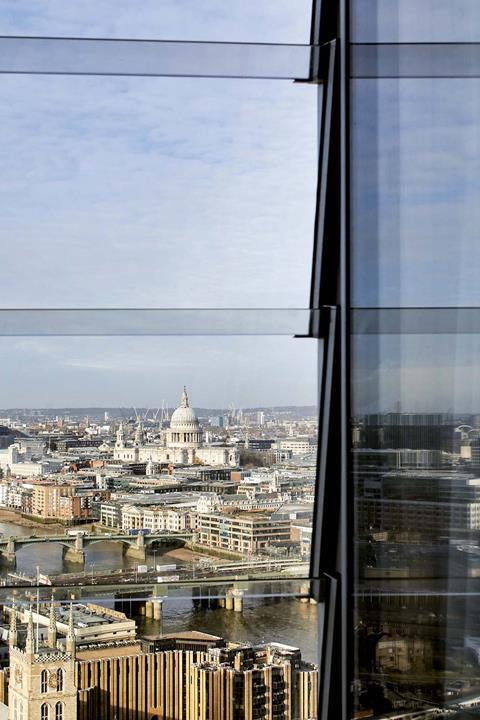
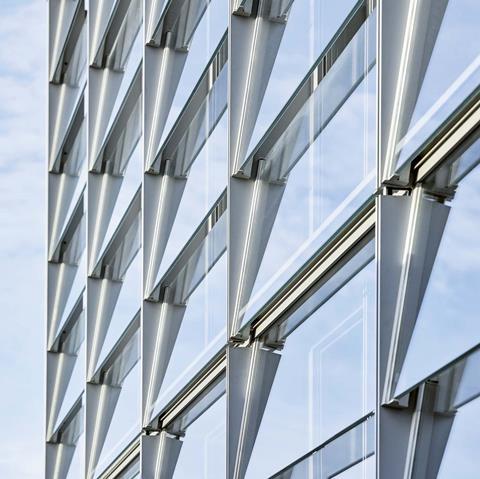
The facade is a double skin that gives Shard Place a residential identity inside while maintaining continuity with the glazed language of the Shard and the News Building, the other tower in the trio. The outer layer is laminated glass louvres in a shiplap arrangement; the inner triple-glazed full-height timber-framed casement windows designed to introduce warmth and domesticity to the interiors.
The resi tower occupies a highly complex site adjacent to London Bridge station, with the Jubilee Line beneath its north-west corner, a London Underground vent directly below the building, and a historic right of way cutting across the plot. Giralt appears to have found the constraints generative…
Albert, what do you like most about the finished project?
What I appreciate most is the way the project succeeds simultaneously at several scales. At the urban scale, it completes an important piece of the London Bridge’s Shard Quarter and contributes to the public realm. At the scale of the building, it establishes a clear residential identity while belonging to a larger family of buildings. And at the scale of daily life, it creates apartments that feel unusually connected to light, air, and the city around them.
And what is particularly satisfying is that many of the project’s defining qualities emerged directly from its constraints. The openness of the ground plane, the hovering form of the tower, and the layered facades are all responses to challenges that ultimately became opportunities.
It is about 25 years since Renzo was first chosen to design the Shard. A quarter century on, with all the buildings in the scheme now completed, how do you feel the group works together?
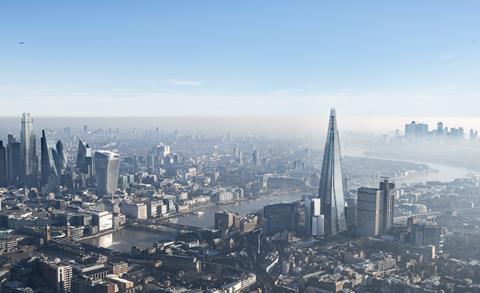
What is remarkable is how coherent the ensemble feels despite the buildings having been designed and delivered over a very long period of time. The Shard, the News Building, and Shard Place each have distinct functions and identities, yet they share a common architectural language.
The relationship between them is not based on repetition but on dialogue. They share similar values, including lightness, transparency, precision of detailing, and a strong relationship with the sky and the city, while expressing those qualities in different ways. The result is not a collection of isolated buildings but a genuine piece of city, shaped gradually over time.
How did you resolve the balance between “family resemblance” and giving the building an identity of its own?
This balance was one of the central design challenges of the project. We wanted Shard Place to clearly belong to the Shard Quarter while expressing its residential character.
At the urban scale, this was achieved through proportion and massing. The building was deliberately conceived as a smaller companion to The Shard, helping establish a hierarchy within the ensemble. At the facade scale, continuity comes through the use of glass and the quality of reflections, creating a shared material language.
Its individual identity emerges through the finer grain of the facade. The louvres introduce depth, texture, and a more domestic scale, while also allowing natural ventilation. Together, these elements create a building that feels related to its neighbours but unmistakably residential in character.
Did the constraints of the site have a big impact on the structural approach?
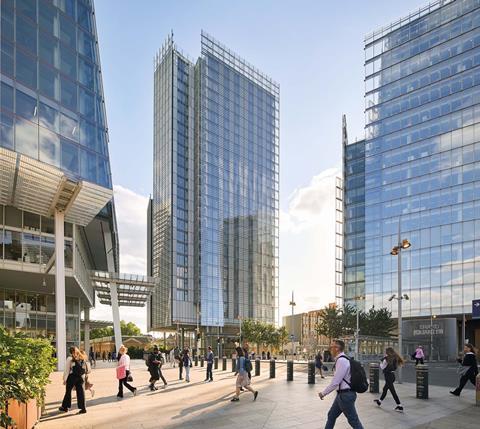
Very much so. The decision to lift the building was not driven by a single consideration but by the convergence of several constraints. Maintaining pedestrian permeability and extending the station concourse beneath the building were important objectives, but the underground infrastructure was equally influential. The site is crossed by the Jubilee Line and contains a London Underground vent shaft, both of which imposed significant restrictions on where loads could be transferred to the ground.
These conditions led to the development of an outrigger steel structure that carries the residential floors above and transfers loads back to the core. The structural strategy allowed us to achieve cantilevers of up to 16m while keeping the ground level largely open and accessible. In this sense, the building’s hovering presence is not simply an aesthetic gesture – it is the visible consequence of a highly specific structural response.
Light is of central importance at RPBW, something that is evident in the glass facades, winter gardens and transparency at Shard Place. Why is light so important to you?
Light is one of the fundamental materials of architecture. Unlike concrete, steel, or timber, it is immaterial, yet it has an enormous influence on how we experience space.
Light reveals materials, defines atmosphere, and connects interiors to their surroundings. It also introduces a dimension of change, allowing buildings to evolve throughout the day and across the seasons.
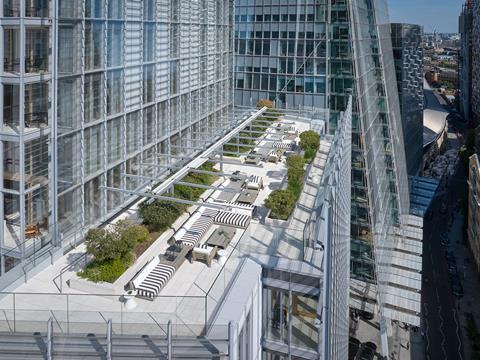
At Shard Place, access to natural light was considered at every scale, from the transparency of the facades to the design of the winter gardens and communal spaces. The aim was not simply to maximise daylight, but to create a richer relationship between the residents and the city around them.
There are winter gardens in all three buildings – used slightly differently in each. Can you tell us about them?
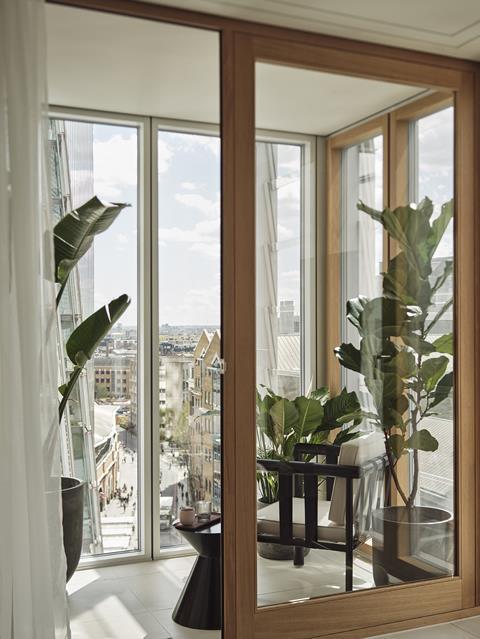
The winter gardens share a common ambition: to create spaces that mediate between inside and outside. Neither fully interior nor fully exterior, they occupy an intermediate condition that enriches the spatial experience of the building.
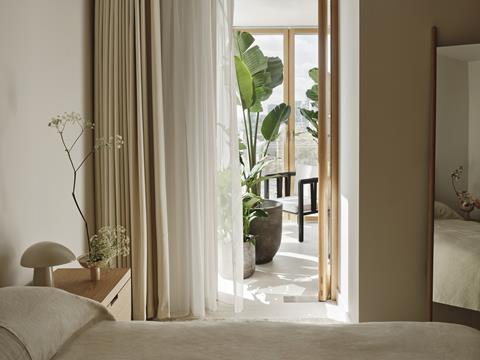
At Shard Place, they play a particularly significant role. Conceived as projecting balconies, they extend the living spaces of the apartments and strengthen the connection with the city. They provide sheltered outdoor areas while still allowing residents to experience natural ventilation, daylight, and changing weather conditions.
In the two office buildings, the winter gardens are more closely integrated into the building mass and function as shared amenity spaces on each floor plate. Through the incorporation of openable vents, they offer occupants direct contact with the outdoor environment while maintaining a degree of enclosure and protection.
In all three projects, the winter gardens also contribute to visually lightening the buildings. Strategically positioned at the junction of adjacent facades, their high transparency and lightweight expression, achieved through the use of single laminated glass, reduce the perceived mass of the buildings and enhance their openness.
Although the winter gardens are articulated differently in each building, they all reflect a broader architectural interest in creating gradual transitions rather than sharp distinctions between enclosed and open space.
You are also leading on a really interesting building in Tokyo at the moment… Can you tell us anything about the Tokio Marine HQ?
The new Tokio Marine headquarters is a fascinating project because it operates simultaneously at several scales.
At the scale of the company, it provides a highly flexible and contemporary workplace. At the scale of the city, it contributes to the ongoing transformation of central Tokyo. But perhaps most interestingly, it also engages with broader environmental questions through its extensive use of timber.
The project is structured around exceptionally large timber mega-columns, demonstrating what is now technically possible with engineered wood. In a country with a long tradition of timber construction, the building seeks to act as a catalyst for the wider adoption of sustainable forestry and low-carbon construction methods.
In this sense, the project is not only about creating a headquarters; it is also about contributing to a broader conversation regarding the future of construction and the responsible use of natural resources.
Shard Place reflects a growing trend at the top end of London’s BTR market: purpose-built, institutionally owned rental housing commissioned from firms more commonly associated with landmark cultural buildings and the luxury sales market. It shows how premium BTR operators are beginning to compete on architectural pedigree as much as high-end facilities.



No comments yet