



Paul Moody explains what’s behind the trend away from smooth surfaces towards texture in interior design
For many years, contemporary interiors were dominated by smooth surfaces and minimalist finishes. Today, designers are moving towards a more tactile aesthetic to introduce character and depth to spaces. From fluted wall panels and slatted partitions to brushed timber flooring and sculptural veneers, texture is rapidly becoming one of the defining elements of modern interior design.
Connection to nature
This shift reflects a growing desire for spaces that feel warmer, layered and more connected to the natural world. Rather than relying solely on colour or pattern, designers are adding visual interest through surface texture – allowing materials themselves to become the focal point of a space.
Texture brings a sense of character and authenticity to interiors, with designers moving away from overly polished finishes in favour of surfaces that celebrate the natural qualities of materials. Timber is particularly well suited to this trend because its grain, tone and structure naturally create warmth and visual balance.
Wood on the walls
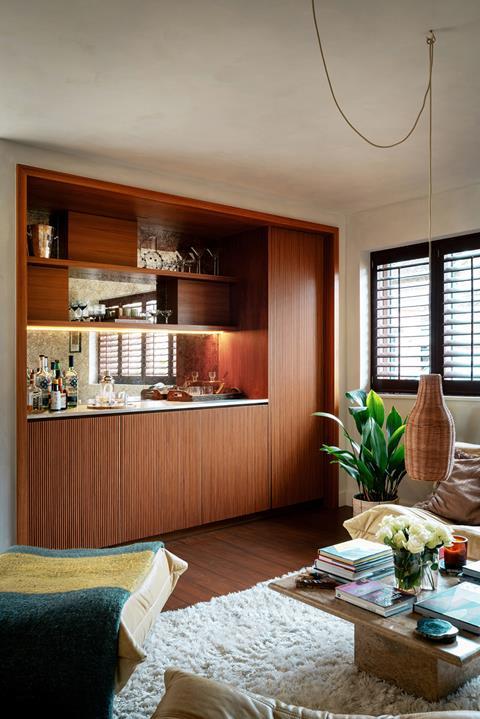
While timber flooring remains a cornerstone of interior schemes, designers are increasingly extending the material onto vertical surfaces. Wood panelling and veneers are now used across walls, ceilings, cabinetry and furniture, creating a cohesive interior while introducing architectural depth.
Three-dimensional veneers are particularly influential within this trend, with milled surfaces in profiles such as ribbed, milled and wave patterns creating sculptural surfaces that add texture and intrigue to a variation of surfaces. Such finishes create gentle shadow play and rhythm across vertical planes, bringing movement and dimension to otherwise simple interiors.
Textured timber panels
Innovations such as panels featuring raised geometric and organic forms, allow designers to introduce depth across walls, cabinetry and furniture. Rather than acting as a purely decorative element, such sculptural panels can become a key architectural feature within a space, transforming flat surfaces into focal points that enhance the overall character of a room.
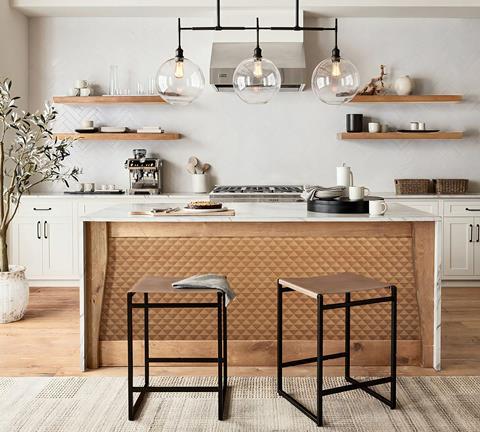
In kitchens, textured timber panels can be incorporated into island fronts or cabinetry to soften the sleek finishes of stone and metal surfaces, adding warmth and subtle movement. In bathrooms, they help create a calming, spa-like atmosphere when paired with natural materials such as marble, ceramic or brushed brass. Within bedrooms, textured panels can be used to form striking headboards or feature walls, introducing depth while maintaining a calm and natural aesthetic.
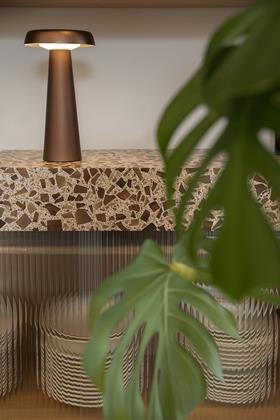
Material innovation is also contributing to the growing interest in tactile surfaces – particularly innovation in sustainable materials. As an example, Havwoods’ TreeAzzo range is made from a sustainable, FSC-certified material developed using wood offcuts and recycled timber fibres bound together in resin to create a terrazzo-style composite. By repurposing timber that might otherwise be discarded, the material offers a creative approach to circular design while delivering a distinctive visual finish. The resulting surface showcases a composition of visible wood fragments and tonal variation, creating a natural, organic pattern that is unique to each panel.
Layering textures
Layering textured surfaces is another key aspect of the trend. Pairing a brushed timber floor with fluted wall panels or ribbed joinery allows designers to create contrast while maintaining a consistent material palette. The natural tonal variation of wood enhances this effect, helping interiors feel balanced, calm and visually rich.
As interiors continue to evolve beyond stark minimalism, texture is emerging as a powerful design tool. And with its natural grain, versatility and ability to be milled, sculpted or brushed into a wide variety of profiles, timber offers designers a timeless way to add depth and tactility to contemporary spaces.
Postscript
Paul Moody is global marketing and insights director at Havwoods

No comments yet