






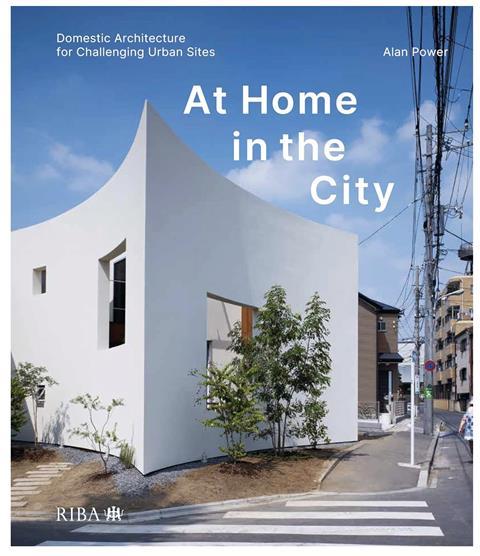
This book reframes the housing crisis not simply as a matter of numbers but as a question of how and where we build within already dense urban environments, Félicie Krikler writes
Before turning to the excellent new book by Alan Power, At Home in the City: Domestic Architecture for Challenging Urban Sites, it is worth recalling a short-lived planning experiment in south London.
In 2019, Croydon council introduced its Suburban Design Guide (SDG), a set of rules intended to guide homeowners, developers and architects building on and densifying small suburban plots. The initiative did not last long. Following political change and local backlash, the guidance was revoked in 2022.
Yet a recent report by the think-tank Centre for Cities suggests the experiment was far from a failure. Around 2,000 homes were delivered under the guidelines and the organisation estimates that, if similar policies were applied across London, they could enable nearly 6,000 additional homes each year.
In other words, almost 10% of the capital’s annual housing target could be met through modest developments of six to 10 homes on sites that currently contribute very little to overall supply.
This context makes At Home in the City feel particularly timely.
Alan Power’s book reframes the housing crisis not simply as a matter of numbers but as a question of how and where we build within already dense urban environments. In the introduction, the author argues that small, difficult sites can “offer a genuine contribution to the housing crisis that is prevalent everywhere”.
The point resonates strongly in the UK, where debates around housing delivery are increasingly entangled with issues of land scarcity, environmental protection, viability and the limits of suburban expansion.
The book focuses on infill plots, backland development, narrow or awkward sites and the reuse of previously developed land. These overlooked fragments of the city are often dismissed as too complicated to develop.
However, through inventive design responses their specific constraints become opportunities that define homes (via this person called “architect”) which are spatially inventive, characterful and culturally rooted in their context.
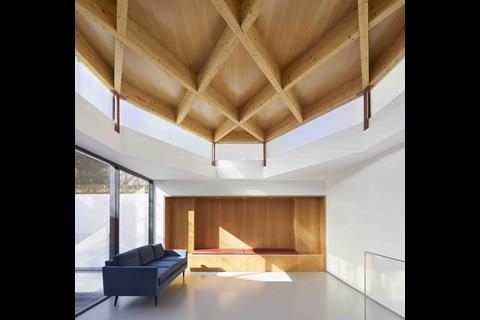
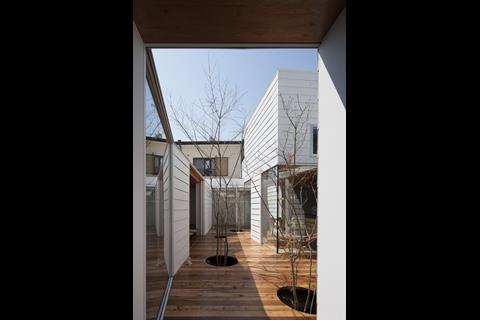
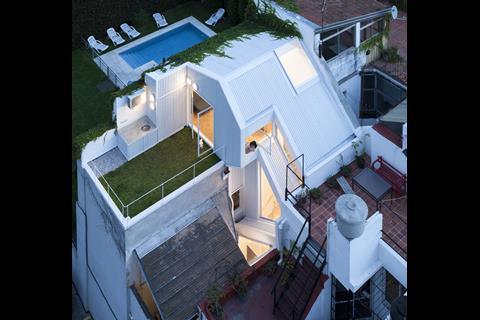
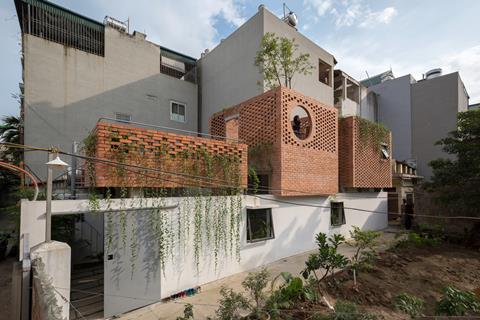
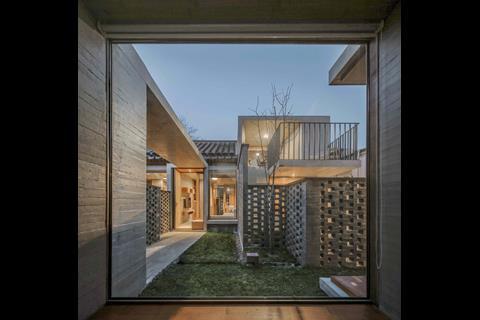
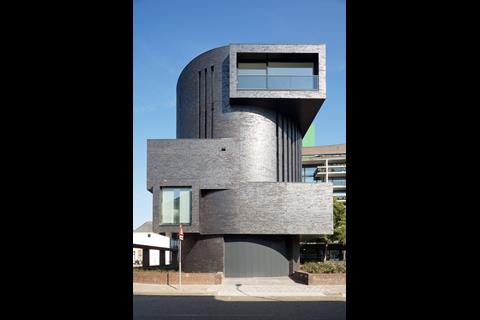
Power illustrates this through 25 detailed international case studies organised across six thematic chapters. The first, The Threshold, explores how domestic architecture negotiates the transition between street and home. Pushing the Boundaries looks at projects inserted into particularly challenging urban conditions such as tight corners, shared walls and complex relationships with neighbours.
The third chapter, Leftover Spaces, feels especially relevant in the current debate around space standards. Here, the projects demonstrate how careful planning and inventive layouts can make every square metre work harder. The result is often homes that feel richer and more engaging than conventional layouts. Constraints in these examples produce not compromise but delight.
In Finding Nature, the focus shifts to windows, views and the delicate balance between urban life and its connection to nature; a relationship that often defines the very nature and character of the home. Retrofit then highlights projects where buildings once considered obsolete or condemned have been transformed into exemplary homes through adaptation and reuse.
The final chapter, Common Ground, broadens the scope to small-scale, multi-dwelling developments, showing how infill projects can achieve meaningful density while still supporting privacy, individuality and neighbourly interaction.
Beyond its policy relevance, At Home in the City is also simply a compelling architectural read. The projects, which might be described as “urban one-home wonders”, come from around the world and demonstrate an impressive range of spatial ingenuity.
Which brings us back to Croydon’s abandoned small sites policy and the wider debate about incremental urban densification. If these kinds of projects can produce thoughtful, contextual and often beautiful homes: what exactly are we afraid of?
Why are opportunities for homeowners, architects and small-scale developers to build on modest plots not seen as good enough, and therefore not encouraged as a priority? And why do we assume that meaningful housing delivery must always come from large developers and large sites?
My view is that political laziness is massively hindering progress, with the result that thousands of context-friendly, characterful homes are simply not being delivered.
Perhaps, as Alan Power’s book suggests, the path to better cities lies partly in the opposite direction, by empowering smaller interventions that stitch communities together one project at a time. The case studies in At Home in the City show clearly that, when these small interventions are done well, they can be truly brilliant.
Postscript
Félicie Krikler is a director and head of residential at Barr Gazetas
At Home in the City: Domestic Architecture for Challenging Urban Sites by Alan Power is published by RIBA Books







2 Readers' comments