


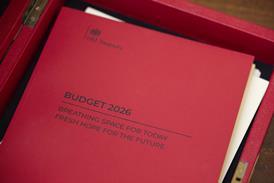






Chancellor unveils so-called Data Centre Covenant which draws up series of pledges developers are ‘encourgaed’ to meet
The government said it is ushering in a so-called Data Centre Covenant which it said “will unlock the infrastructure Britain needs to lead on AI while ensuring communities share in the benefits”.
In a briefing note, the government said: “All data centres are encouraged to meet the tests set out in the covenant, with strategic data centres required to meet them where they are seeking enhanced government support.”
Under the covenant, data centre firms will have to “pay for their fair share of energy – covering any energy costs they create – so households, communities and other businesses do not pick up the bill”.

It added: “Communities that host nationally important infrastructure should share directly in the rewards. Strategic data centres should agree a Local Benefit Plan that commits to substantial investment, developed with the local community and linked to the development’s size. This can be spent on local priorities, like transport, parks and town centres.”
It also said data centres should “adhere to the highest environmental standards: protect nature, minimise water use and publish annual energy and water consumption reports. They should also capture the heat they produce for nearby homes, schools, hospitals or businesses wherever practical.”
And it said that data centre providers should “create jobs and invest in paid apprenticeships and training places, supporting young people into the AI, digital and infrastructure jobs of the future”.
In return, the chancellor John Healey said it would “reserve and reallocate” connections, accelerate connections before 2030 and enable access to temporary power to bridge the gap to grid connections.
The government added it will “set out further details in due course on the definition of strategic data centres and the additional criteria such projects will be expected to meet” while adding it is “moving forward with wider reforms to support viable data centre projects to build faster and with more certainty”.
At-a-glance: what the Budget means for construction
-
Reforms to ‘green book’ used by Treasury to assess business case for investing in projects - new guidance on developing place-based business cases which will mean housing projects can be considered together with other types of development
-
Extra £1.5bn for the Social and Affordable Homes Programme
-
New £4.7bn Your First Home equity loan scheme aimed at supporting 70,000 first-time buyers with up to 20% government equity loans
-
Freeze on building regulations except those concerning critical safety for rest of this Parliament
-
Removal of BNG requirements on brownfield land up to 1.5 hectares
-
Cheaper borrowing for councils for housing by extending the preferential Public Works Loan Board rate for a further year, to 2027-28, at 40 basis points below the PWLB normal rate
-
Zero-rate of VAT for land sold to registered providers of social housing
-
Flexible funding to invest in local authorities, boosted by £1.5bn of devolved loans for mayoral authorities - will back transport and regeneration projects
-
Roadmap for fiscal devolution - 100% of business rates will be retained by end of the decade
-
£100m local apprenticeship service funded from savings in welfare fraud and error
-
White paper and legislation next year on reforming welfare system following Milburn report
-
Further £430m for rough sleeping
-
The government will introduce a new First Time Buyer ISA from April 2029
-
New planning guidelines requiring datacentres to boost local jobs, fund apprenticeships, protect nature and minimise water usage
-
£165m in Good Growth Funds for 14 mayoral authorities in England
-
National Wealth Fund and British Business Bank will be handed an additional £20.4bn in funding over the next four years
-
Updated £750m Infrastructure Pipeline to be published before the end of the year
-
Extension of temporary 3.7p-per-litre red diesel duty cut for a further six months
-
Pledge to only buy or build renewable energy projects which bring down bills and when they connect to the grid.
-
Levy used to fund hydrogen projects to be scrapped and replaced by direct government funding







No comments yet