



If we lose our wider intellectual curiosity, we loss the essence of what it is to be in this profession, Eleanor Jolliffe writes
My attention was caught recently by a post on LinkedIn from Alex Ely of Mae. In it he refers to one of the conclusions which Paul Crosby and I drew in our book on the history of architectural practice – that architects often struggle to define their role and value; along with pieces recently published in Time magazine, and by Martyn Evans in BD.
Ely observes the realisation coming from both inside and outside the profession of architecture that something is going wrong in the way we build buildings; suggesting that in the UK we have built a sophisticated system for delivering buildings but no longer consistently deliver places, or value those who shape them.
He terms this “compliance urbanism” – the fragmented model of city making that fosters hyper specialised consultants, risk transfer procurement, layered compliance, viability led decisions and relentless fee competition. A system that is rational in isolation, but leads to mediocrity. The optimisation of components, to the detriment of the whole.
Ely goes on to argue that, as the complexity of briefs and spatial problems rise, the architect’s role should grow more important, not less. He suggests that we need people capable of synthesising economics, infrastructure, politics, climate and human behaviour – people who lead the system as a strategic civic discipline, not just service it.
I hear increasingly vocal opinions, from increasingly senior voices, that the future for architects lies in greater specialisation
I agree wholeheartedly. In his hypothesis he has articulated a disquiet I have been struggling to voice as I hear increasingly vocal opinions, from increasingly senior voices, that the future for architects lies in greater specialisation.
The argument for specialisation is clear and deceptively simple. By becoming more of an expert your value, and your impact is easier to communicate. Also, the argument goes, as construction becomes ever more complex specialists are needed to safely oversee the construction of certain types of buildings.
Maybe. Specialist skills are of course important, I am myself currently working on a conservation architect application, and building a greater understanding of the specialist skills related to the conservation approach and care of old buildings. However, I do not intend to narrow my career focus; already the specialist skills and reading I have done for this application has contributed richly to new construction and entirely non heritage aspects of my work.
My argument is this: That additional skills should only enhance the wide knowledge base that is, and always has been, essential to architectural practice. Throughout the history of the profession architects have not been specialists, ours is the generalist role; that of the ever interested philomath - determined to learn a bit about everything to realise a complex and technical creative vision.
Of course individuals have become more specialist in their area of personal interest, but the role of the architect is not a tightly defined and highly specialised role, nor should it become one. We should not lose the essentially polymath role of the architect.
Ely seems to be advocating for this polymath approach – but the role he advocates for, and that I would further defend, does not come easily. To be a person capable of synthesising economics, infrastructure, politics, climate and human behaviour into built form requires someone who is not only willing to remain current in a highly technical field; but someone who will read, listen and watch widely outside their subject.
To be a specialist is far from easy, but it’s arguably easier than aspiring to be a polymath
The great architects of history were people with wide interests, deep intellectual curiosity, and work ethics bordering on the obsessive. To fulfil this role as it arguably should be fulfilled is more of a calling than a career. This does not sit comfortably in our societal moment of low attention spans, lower productivity, and quick answers; or indeed with HR policies. To be a specialist is far from easy, but it’s arguably easier than aspiring to be a polymath.
If architects lose their wider intellectual curiosity they have lost the essence of what it is to be an architect. For all that the value of the polymath is a little difficult to articulate (and always has been, there are amusing anecdotes through many histories of noted architects to attest to this) it is essential. Competent delivery of the components of a system is essential, but someone needs to shepherd the overall vision of a project - no matter what the scale. Specialists will be essential in realising many of the more detailed technical aspects – but specialists do not tend to make the best leaders, their focus is narrower.
The architect and writer Cedric Price was known to insist on feasibility studies before commencing a project to explore its full context. I have it on good authority that he once told a client that they did not need a house extension, they needed a divorce! If his focus had been narrower I am sure he would have made more in fees, but whether his client, or their home, would have been best served is another matter.
Postscript
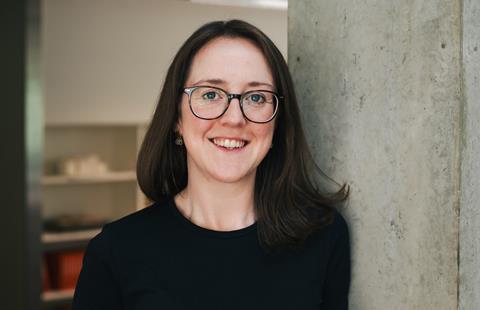
Eleanor Jolliffe is a practising architect and co-author of Architect: The evolving story of a profession. Her latest book Royal Festival Hall: A Living Icon is published by Merrell and now available in hardback.




2 Readers' comments