


Cultural venues are expanding again after a covid-era decline but public investment is yet to catch up, says Citizens Design Bureau founding director Katy Marks
During the COVID years, there was a veritable epidemic of arts centre closures followed by a ‘long COVID’ style impact on venues recovering from lost revenue. The Live Music Trust recorded 76 cultural venues permanently closing across the country, during a period of only 8 months. In London, where the creative industries typically generate typically £58bn a year (10% of London’s economy), the lockdowns had much wider knock-on effects across the city.
The rise in streaming services and other home entertainment during Covid, suggested that demand for cultural venues would drop, but the opposite has been true. While many venues are still recovering from lost revenue, demand is actually stronger than ever and this is part of a broader trend, that policymakers need to embrace and the architectural profession needs to amplify.
Since the early noughties, as a society we began to spend increasing amounts of our money on events, concerts, meals out and other cultural activities. Since COVID, that trend accelerated to the point that we now spend significantly more of our disposable income on experiences than on things. Recent figures from the Mastercard Economics Institute show that discretionary spending on experiences (excluding travel) climbed to 23.3% of total consumer spend, officially overtaking discretionary retail spending at 22.7%. When factoring in broader travel and hospitality, the gap widens further. This is a hugely significant statistic. It shows not only how significant arts and culture are to our economy, but also how vital it is to what makes us feel good and live well and is the antidote to us living increasingly individualised, digitally dominated daily lives. But in spite of this overwhelming statistical and anecdotal evidence, policy and investment funding has not caught up.
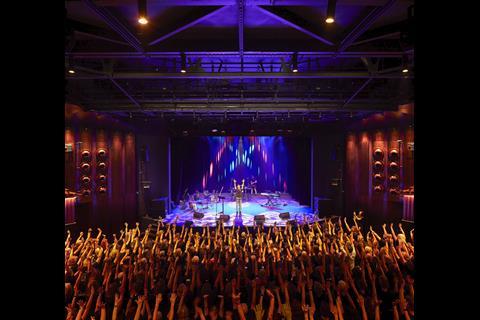
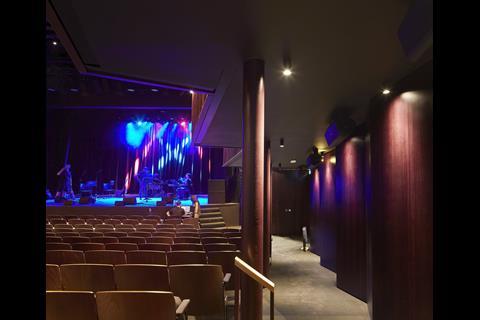
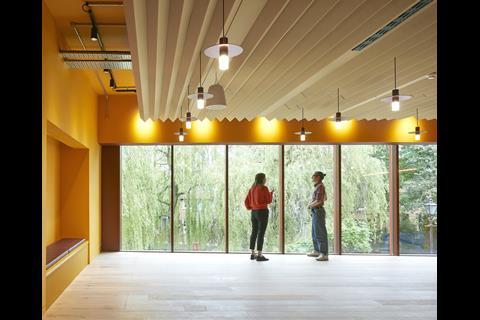
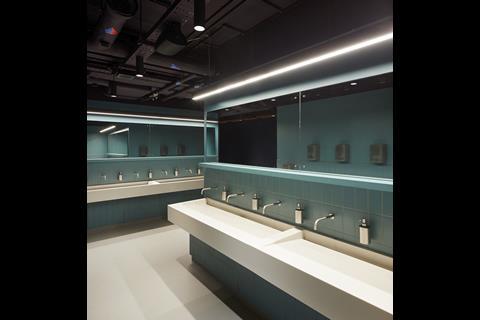
The reality is that our society needs arts venues like never before. We are essentially living in different realities from our neighbours, all inhabiting our own algorithmically curated bubbles. In this context, real understanding and empathy cannot exist if we are not even looking each other in the eye, sitting round the same fire or even watching the same screen. The collective experience of watching a film, hearing other people laugh and cheer, hide their faces at the scary bits, put their head on their partner’s shoulder, giggle at the innuendo etc, makes an experience infinitely richer.
In the case of theatre, that collective energy is reciprocated and amplified by the artists on stage. The audience is part of the performance. Not having an audience reaction is like being in a zoom call in which everyone is on mute with their cameras off. You have no idea how to ‘read the room’. You are anonymous.
As architects, this is our cue. Too often, limited public funding is spent trying to fulfil this overwhelming need to connect to each other by creating spaces that claim to welcome and include everyone. Yet they often end up feeling municipal and generic, like a three dimensional box-ticking exercise. We still feel anonymous.
Citzens’ Design Bureau has made it our business as a practice to turn this challenge into an opportunity. To create buildings that feel rooted in a place whilst reflecting back the distinctive personality of the communities they serve.
To be viable in this economy, cultural buildings have to be active every day of the week. I’m sure I’m not alone in remembering the experience of going to a nightclub on a Saturday evening when it’s rammed with people and the atmosphere is incredible but then you forget your coat and go back there on a Tuesday morning to pick it up. The space is empty, it smells, the fluorescent lights are on and there’s nobody there.
Our cultural institutions cannot be like those empty clubs. They need to work far harder than this. We therefore consciously design spaces that shapeshift over time: for a capacity weekend crowd, morning parent and baby classes, teen hangouts, remote working, an afternoon knitting group, impromptu live music and everything in between – whilst feeling special, distinctive and full of character.
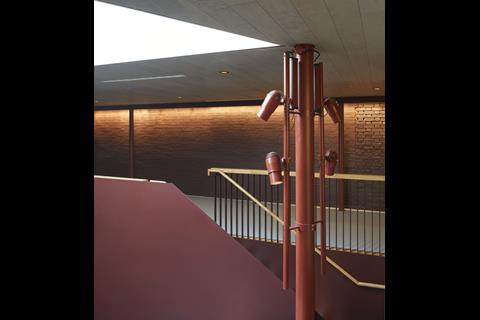
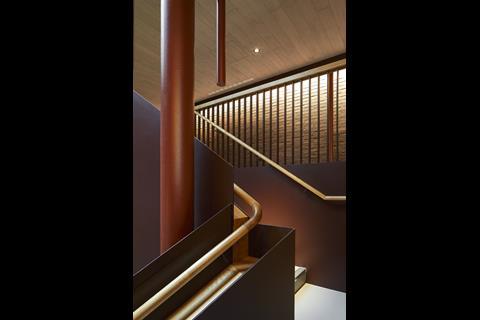
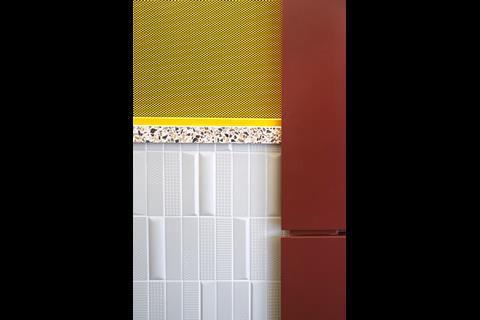
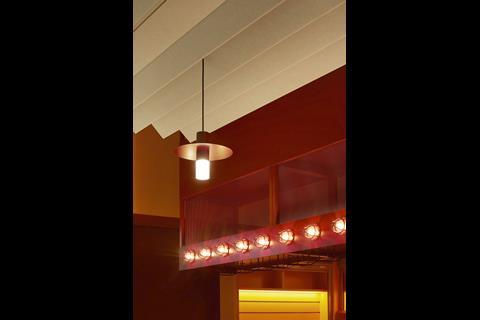
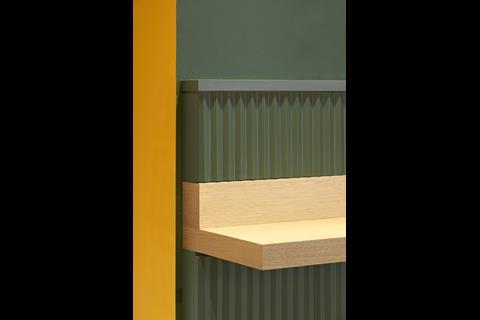
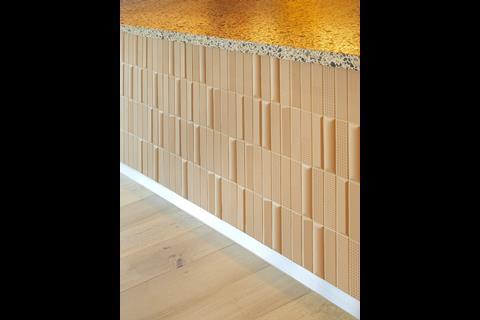
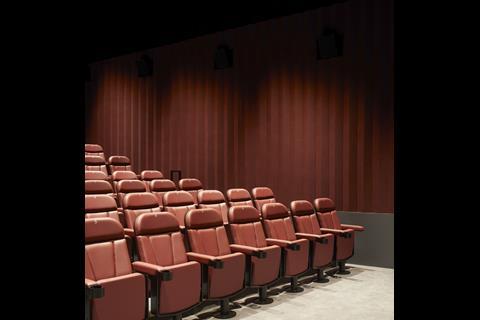
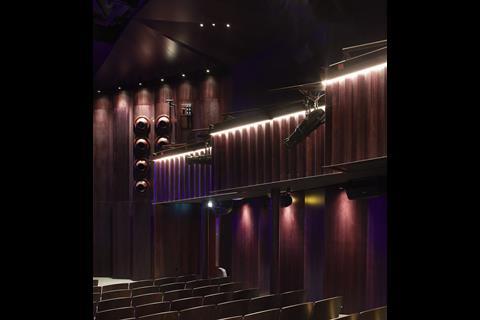
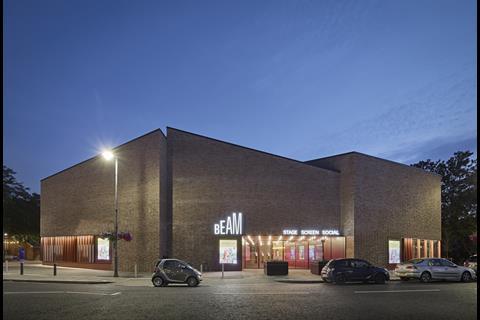
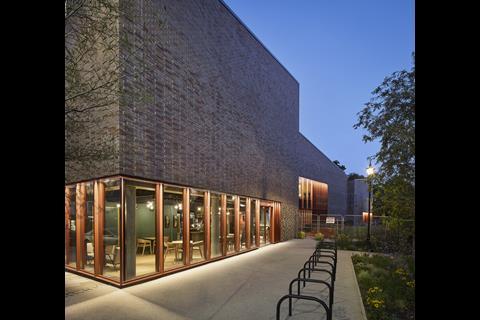
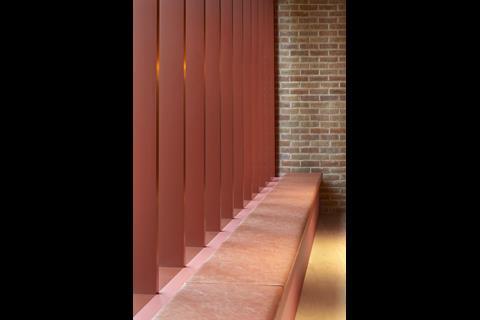
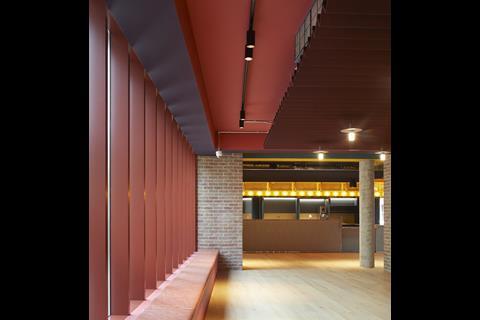
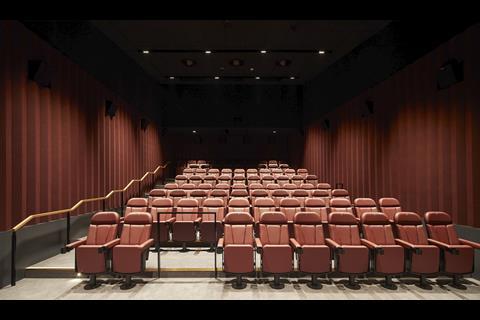
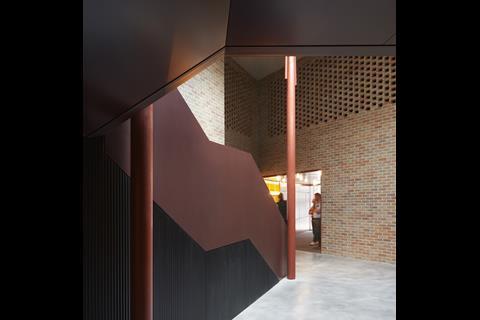
Our BEAM Hertford arts centre project, shortlisted for this year’s Stirling Prize, is a case in point. Citizens Design Bureau designed the interiors of the building within a wider project designed by Bennetts Associates. We used colour carefully to delineate thresholds within larger spaces to create intimacy. A conscious calibration of materials with different qualities of acoustic absorption created areas of greater and lesser reverberation coupled with contrasting low and high ceiling heights. This has resulted in a series of spaces that allow people to find their niche, to feel comfortable when the space is heaving and conversely to create a buzzing atmosphere even on a relatively quiet Tuesday morning.
Similarly, at the Jacksons Lane arts centre, in a remodelled grade II-listed church in north London, the café has now become a destination in itself and the building easily hosts a huge variety of simultaneous activities from the BBC filming Strictly Come Dancing, to childrens’ light saber classes, to circus skills, to yoga and more.
The Talent House for East London Dance and UD Music, completed in 2022, has an entrance atrium designed for informal performance, for hanging out and serendipitous meetings.
These are architectural decisions, but they are also decisions that have been made by visionary, committed clients who realise it is increasingly rare to be able to access safe spaces where you aren’t forced to spend money; non-transactional spaces where the primary exchange is humanity. It’s worth talking about and worth replicating because the impact is clear. These types of spaces are shown to directly support community cohesion, bringing footfall to struggling high streets with creative programming that is both worldly and local – broadening horizons and valuing everyday experiences.
Postscript
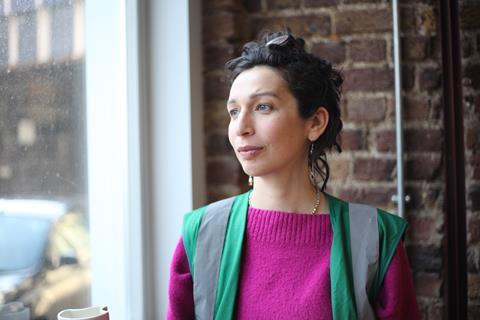
Katy Marks is the founding director of Citizens Design Bureau. All images are credited to Hufton+Crow.






No comments yet