

- Home
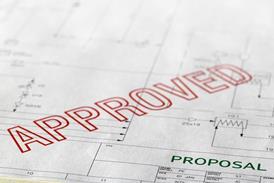 Half of councils failing to hit deadline for approving planning conditions, says housing body
 Fosters working on new Canary Wharf park at foot of planned JP Morgan tower
 It’s time to treat arts and culture as an essential service, not a ‘nice to have’
 What made this project… Black Bull Close by Simpson & Brown
- Events
Early bird tickets available now
Find out more
Events calendar
Explore now
Keep up to date
Find out more
- Programmes
Go West?
By Oliver Wainwright2012-01-24T16:29:00

The Design Museum’s move to the Commonwealth Institute provides a welcome new life for this neglected building, but will it work in the wasteland of the west?
This is premium content.
Only logged in subscribers have access to it.
Login or SUBSCRIBE to view this story

Existing subscriber? LOGIN
A subscription to Building Design will provide:
- Unlimited architecture news from around the UK
- Reviews of the latest buildings from all corners of the world
- Full access to all our online archives
- PLUS you will receive a digital copy of WA100 worth over £45.
Subscribe now for unlimited access.
Alternatively REGISTER for free access on selected stories and sign up for email alerts
- © Building Design 2023
- Terms and Conditions
- Cookie Policy
- Privacy Policy
- About BD
- Contact BD
- Advertise
Site powered by Webvision Cloud