

- Home
 Green light for KSS’ boosted Nottingham Forest stadium expansion
 One of UK’s biggest housebuilders to become smaller business after falling to £660m first half loss
 Pair fined £1.3m after window fell from London penthouse killing passer-by below
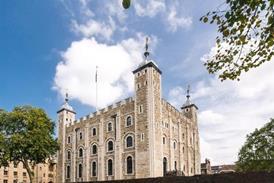 Reprieve for City developers as government clears path for tall buildings near the Tower of London
- Events

Early bird tickets available now
Find out more
Events calendar
Explore now
Keep up to date
Find out more
- Programmes

Manufacturing our heritage
By Fatema Bandali2011-11-10T08:26:00

A visit to the former Spode factory throws up a wealth of questions about the best way to manage our historic industrial buildings
This is premium content.
Only logged in subscribers have access to it.
Login or SUBSCRIBE to view this story

Existing subscriber? LOGIN
A subscription to Building Design will provide:
- Unlimited architecture news from around the UK
- Reviews of the latest buildings from all corners of the world
- Full access to all our online archives
- PLUS you will receive a digital copy of WA100 worth over £45.
Subscribe now for unlimited access.
Alternatively REGISTER for free access on selected stories and sign up for email alerts
- © Building Design 2023
- Terms and Conditions
- Cookie Policy
- Privacy Policy
- About BD
- Contact BD
- Advertise
Site powered by Webvision Cloud