The Gort Scott partner on the Barbican, brutalism and bygone London

What got you started?

I went to school in the Barbican — a bizarre but extraordinary environment. We roamed during lunch breaks, discovering St Bartholomew’s Church, the Whitechapel Gallery and Bankside power station, long before anyone dreamed of the Tate Modern.

Which architect have you learnt the most from?

English modernists and brutalists: Leslie Martin, Denys Lasdun and the Smithsons.

Which living architect do you most admire?

Grafton Architects, for both weight and lightness.

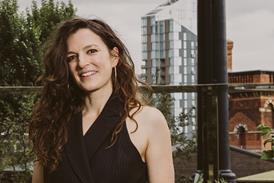
Fiona Scott

Fiona Scott

What is your best project?

I’d like to think High Street London, our agenda for the capital’s high streets, was influential in some way.

What project do you most regret losing?

We were gutted not to make it onto the Peabody small projects framework, as we admire it as a client.

Which house would you most like to live in?

My husband is from California, and with him I’ve learnt to dream of sunshine, light and air, so I’d say Lina Bo Bardi’s Glass House.

You can work in any city at any point in history — where and when would you choose?

I’m fascinated by what London was like before the Thatcher years — when the riverfront was dirty and forgotten and our places for leisure were working places or derelict.

What would be your dream commission?

A building on a London high street that brings into play the issues of scale, adaptability, mix, reuse and form about which we’ve learned through our projects about high streets.

What one piece of legislation would you introduce?

Reconsider the rights to convert office to residential in town centres.

What is your favourite architectural book?

At the moment, my uncle Robert Maxwell’s book Ancient Wisdom and Modern Knowhow: Learning to Live with Uncertainty.

What is your favourite novel?

The Body Artist by Don DeLillo.

Complete the sentence: At heart I am a frustrated…

Ceramicist.