- Home
- Events
Early bird tickets available now
Find out more
Events calendar
Explore now
Keep up to date
Find out more
- Programmes


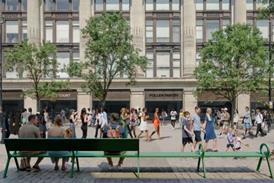
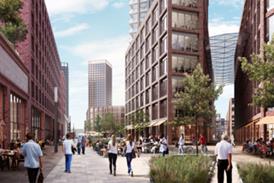

The unlikely return of the back-to-back: how the viability crunch is leading to experimentation with older forms

As housing numbers crash, developers are seeking ways to reimagine projects, with a range of new – and old – forms being tried to move projects forward
Housing starts in London collapsed to just 4,170 in the year to April, according to government data, the lowest figure on record and just a quarter of the average for the last five years. Starts across the country are also sharply down. While some northern markets remain strong, it is no exaggeration to say that much of the residential development industry is in something of a crisis.
Increasing regulatory requirements, compounded by soaring materials costs, mean that in parts of the country the homes developers have traditionally produced now simply cost more to build than buyers are willing to pay.
The problem is particularly acute for sites purchased several years ago on the basis of disconfirmed assumptions, with one in six London sites now on hold, according to data from Molior last autumn.
Andrew Matthews, co-founder of housing architect Proctor & Matthews Architects, says his practice’s situation is shared by others in the industry “We have got projects, but they’re all on hold,” he says. “If you look at our order book, it looks very healthy, but actually most of those projects are waiting for instruction.”
With build prices set to rise further in the wake of the Iran war, the problem is only going to worsen.
In the face of this, much of the industry focus to date has been on persuading the government to cut regulations or bring back support for first-time buyers.
Meanwhile some clients and designers are not passively waiting for government to ride to the rescue, but instead trying to tackle the crisis with a more radical reassessment of what they’re building. Designers are experimenting with forms, such as terraced back-to-back housing, that haven’t been used at scale in this country for many years, in order to make high-quality, high-density homes deliverable.
Doing so means moving away from the suburban houses and high-rise flats that have predominated in recent decades, and slaying some holy cows beloved by planners, funders and developers alike. So, what options are being looked at, and how do they change the viability equation?
…
This is premium content.
Only logged in subscribers have access to it.
Login or SUBSCRIBE to view this story

Existing subscriber? LOGIN
A subscription to Building Design will provide:
- Unlimited architecture news from around the UK
- Reviews of the latest buildings from all corners of the world
- Full access to all our online archives
- PLUS you will receive a digital copy of WA100 worth over £45.
Subscribe now for unlimited access.
Alternatively REGISTER for free access on selected stories and sign up for email alerts